Fruit intensity, efficient format

Bulk Fruit & Vegetable Juice Concentrates

Explore concentrated fruit and vegetable juices for beverage, brewing, bakery, confectionery, sauces and food manufacturing. Compare fruit character, soluble solids, acidity, clarity, packaging and commercial handling before selecting the appropriate ingredient.

Understanding concentrate

High fruit solids with less water

Juice concentrate is produced by removing part of the water naturally present in fruit or vegetable juice. The resulting ingredient contains substantially more soluble solids per unit of weight or volume than single-strength juice.

This makes concentrate useful where manufacturers want fruit flavor, sugars, acids and soluble solids without bringing the full water content of NFC juice into the formulation. It can also reduce storage volume and freight per unit of fruit solids.

Concentrates may be clear or cloudy, depending on the fruit and processing method. Some products are designed primarily for beverage reconstitution, while others are used directly as formulation ingredients in bakery, sauces, confectionery and prepared foods.

Fruit profiles

Different fruits bring different sweetness, acidity and color.

🍎

Apple & White Grape

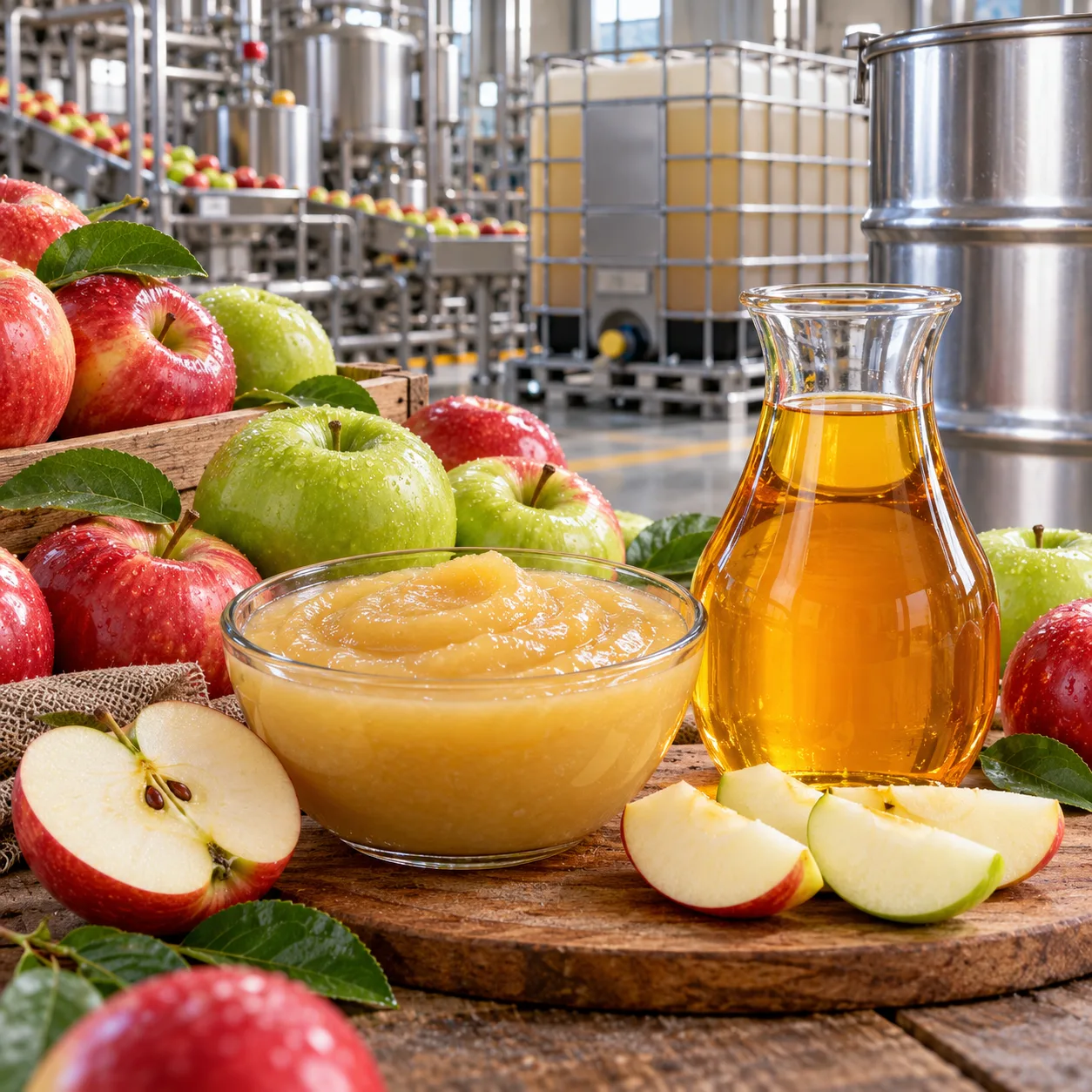
Apple and white grape are relatively mild compared with berry, citrus or tropical fruits. Their high soluble-solids concentrates can contribute fruit-derived sweetness and solids without dominating a blended flavor system.

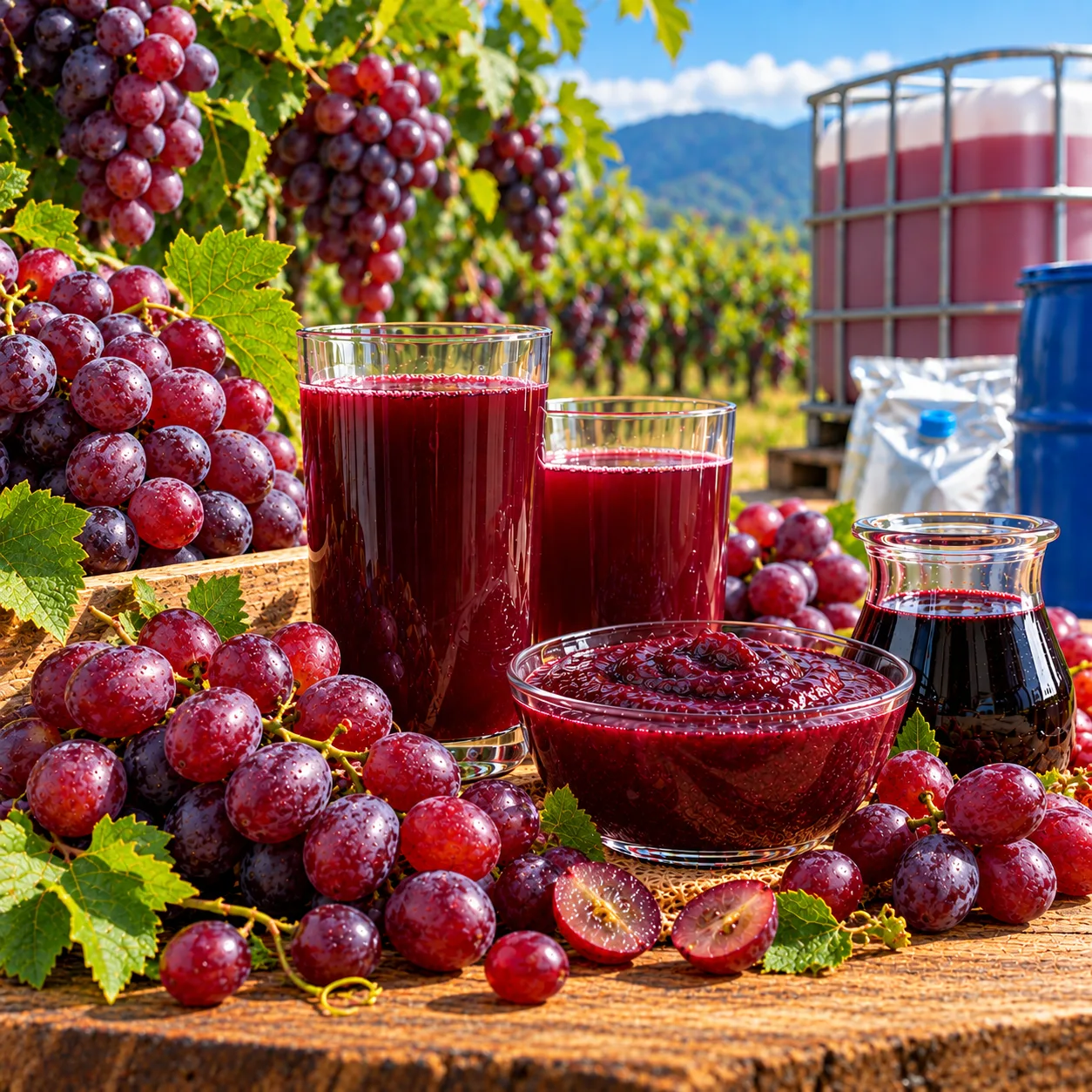
Apple juice concentrate is commonly supplied around 70° Brix, with acidity frequently reported as malic acid. White grape concentrate is commonly around 68° Brix, with acidity often reported as tartaric acid.

Major uses: beverages, cider, bakery fillings, sauces, confectionery, fruit preparations and blended products.

🍊

Orange & Citrus

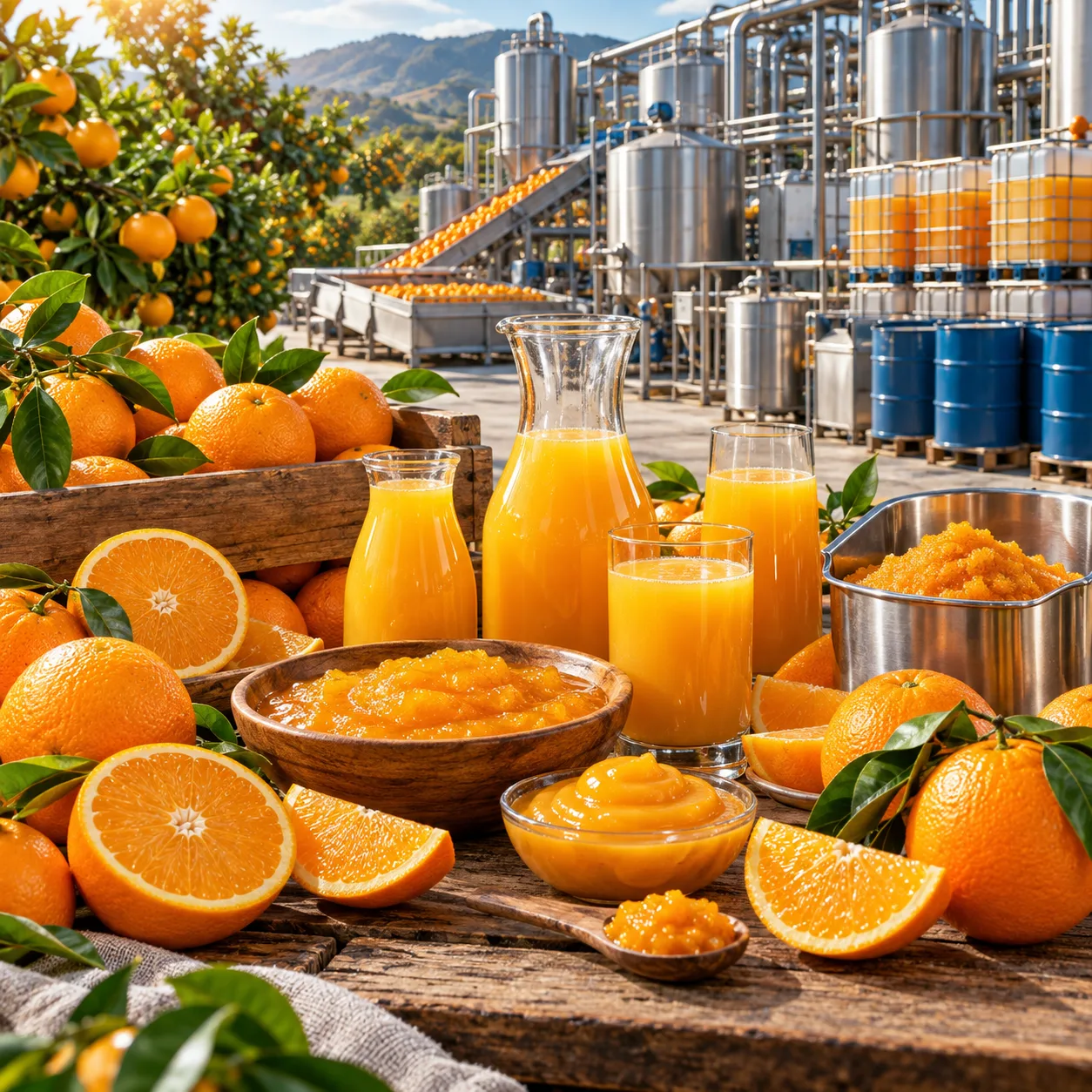
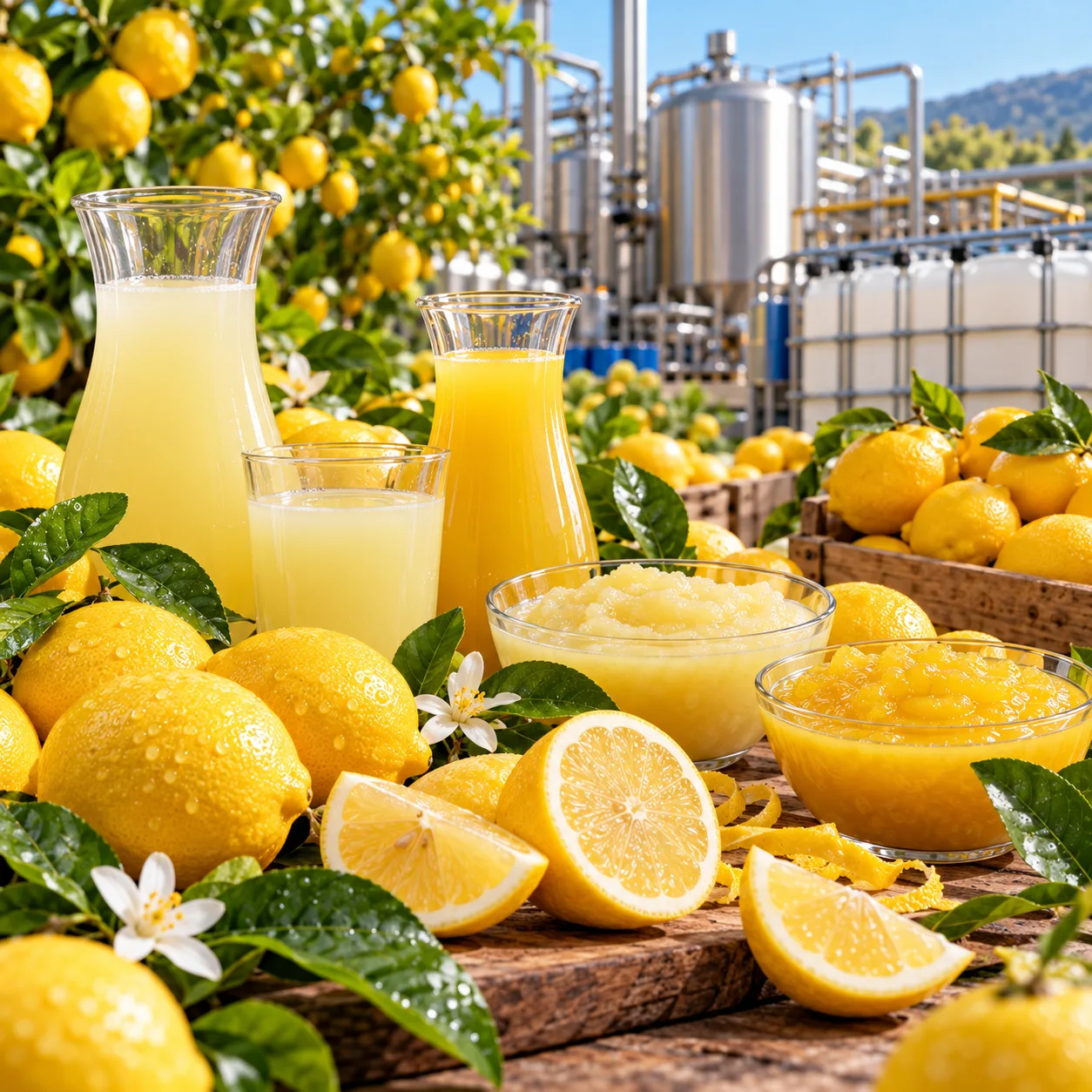
Orange, blood orange, grapefruit, lemon, lime and tangerine provide characteristic citrus aroma and predominantly citric acidity. Citrus ingredients range from relatively sweet orange to highly acidic lemon and lime.

Standard orange concentrate is commonly sold around 65° Brix. Citrus specifications may also define corrected Brix, titratable acidity, specific gravity, pulp and reconstitution requirements.

Major uses: juice drinks, soft drinks, tea, lemonade, dairy beverages, confectionery, sauces and brewing.

🍒

Cherry & Pomegranate

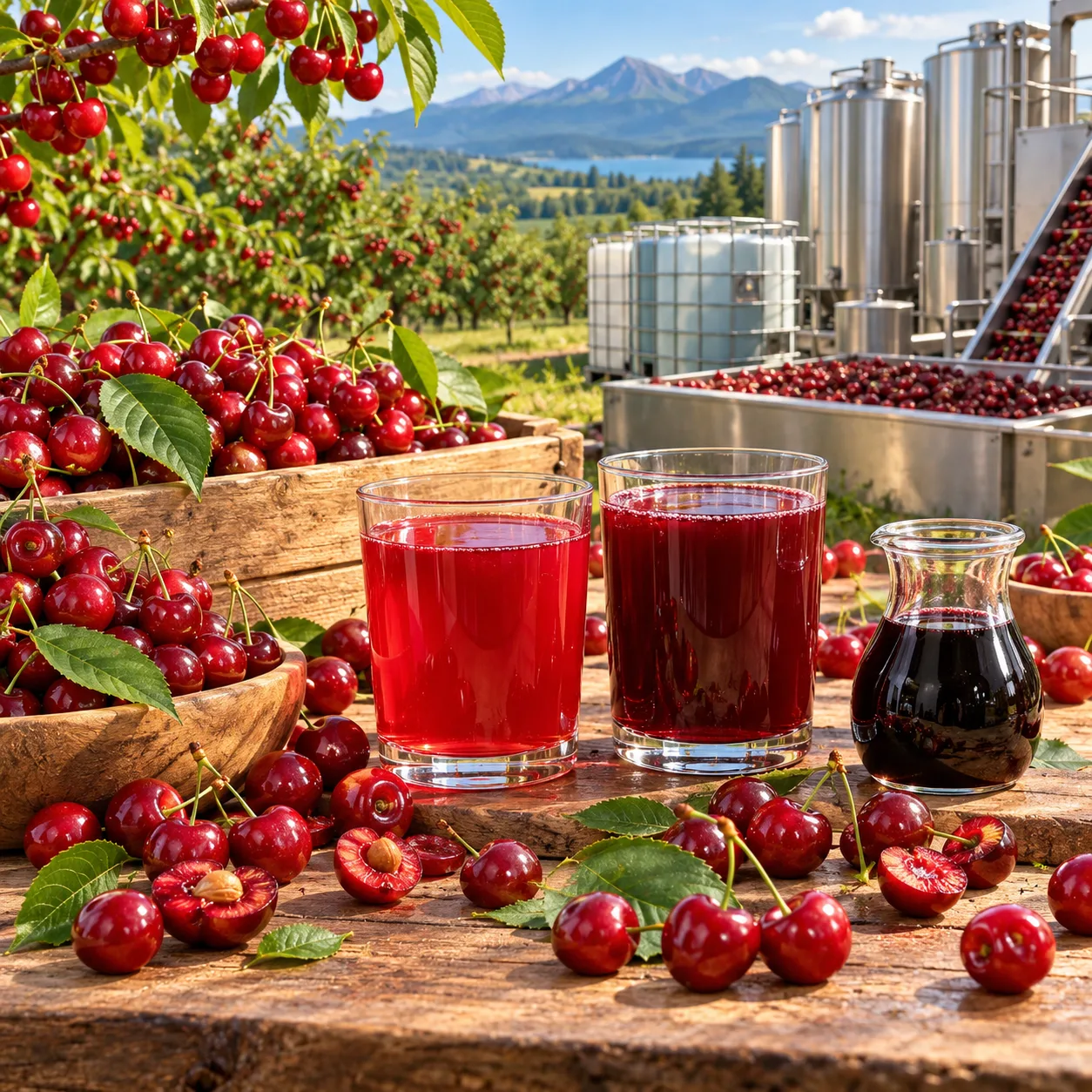
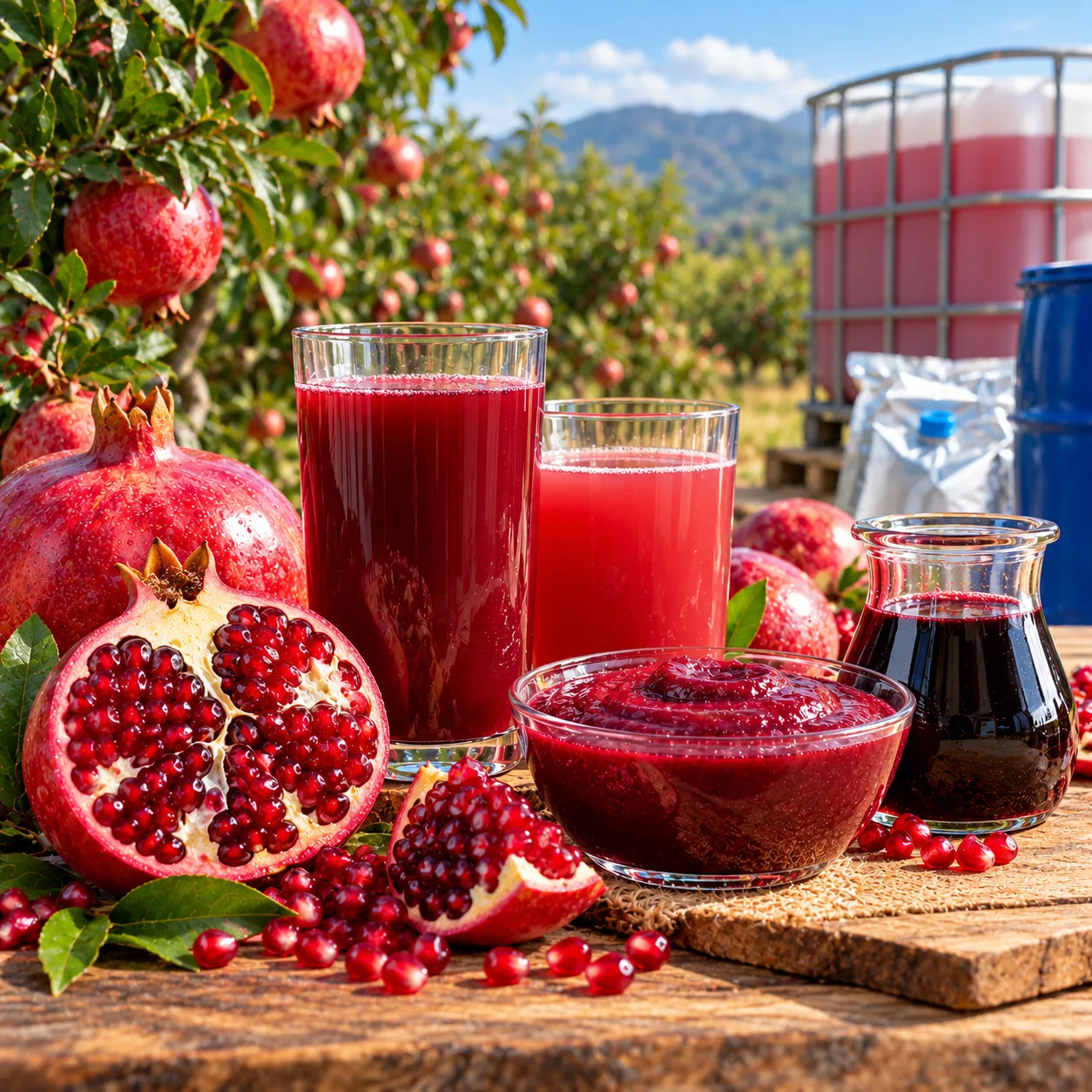
Tart cherry contributes pronounced red-fruit character and malic acidity, while pomegranate provides deeper red color, noticeable tartness and a more complex dark-fruit profile.

Commercial pomegranate concentrate is commonly offered around 65° Brix. Sour or tart cherry concentrates are also commonly available as high-solids ingredients.

Major uses: functional beverages, brewing, bakery fillings, confectionery, sauces and fruit preparations.

🫐

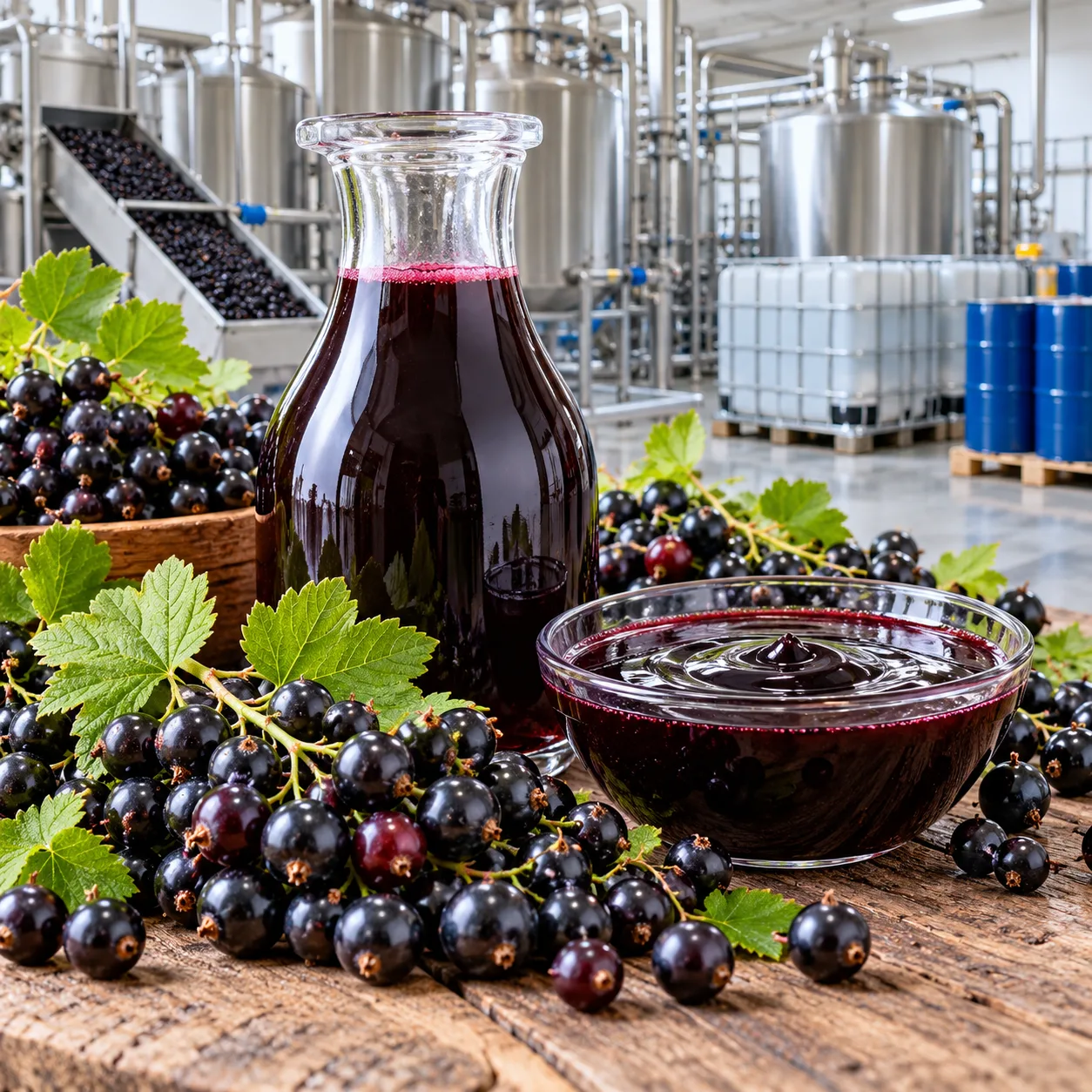
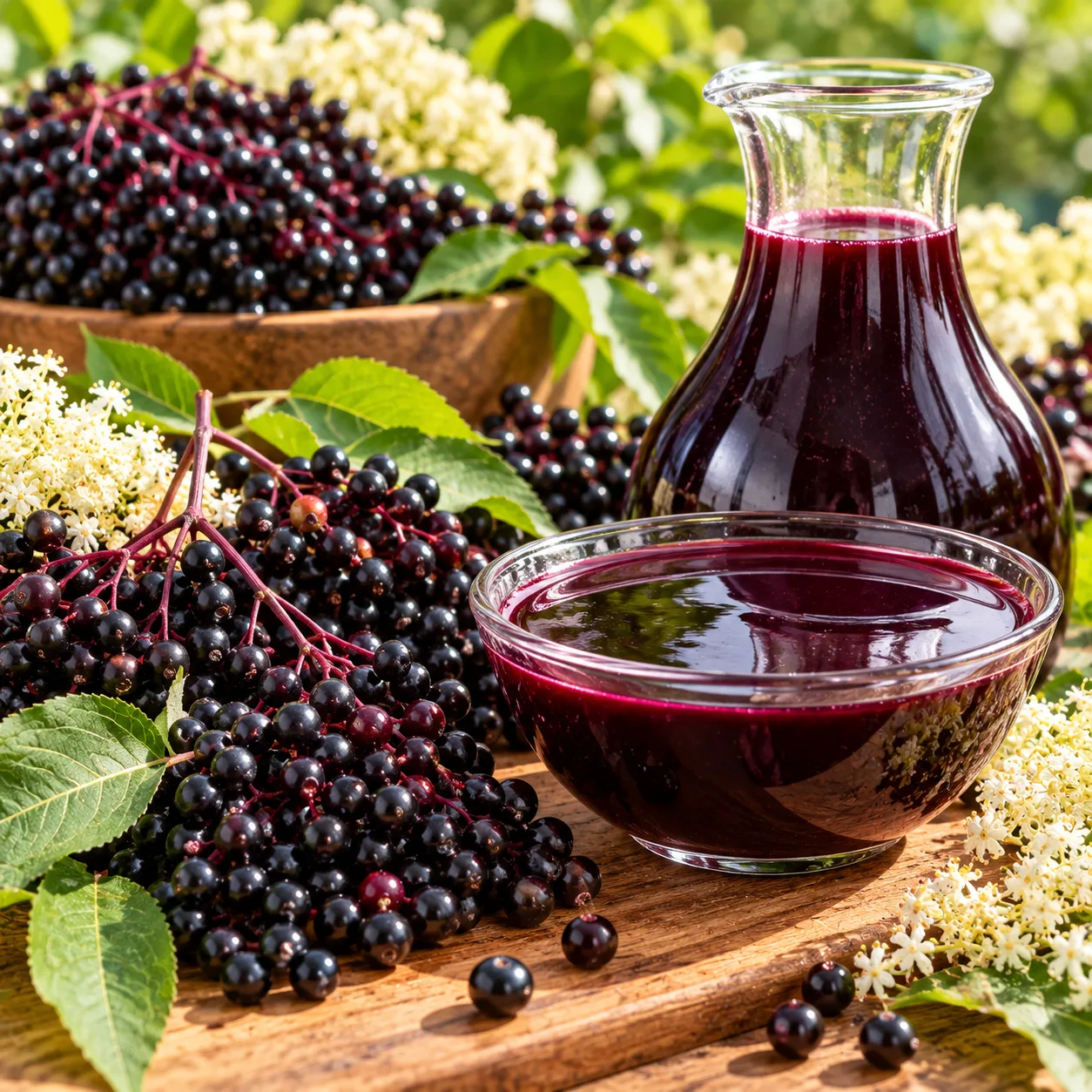
Berries, Currants & Aronia

Cranberry, blueberry, raspberry, blackberry, black currant, red currant, elderberry, aronia and related fruits provide strong aroma, acidity and deep red-to-purple color.

Cranberry concentrate is commonly available around 50° Brix and can have very high natural acidity. Other berry concentrates may be produced to different soluble-solids levels depending on the fruit.

Major uses: beverages, brewing, dairy preparations, confectionery, bakery, sauces and functional-style fruit blends.

🍍

Tropical Fruits

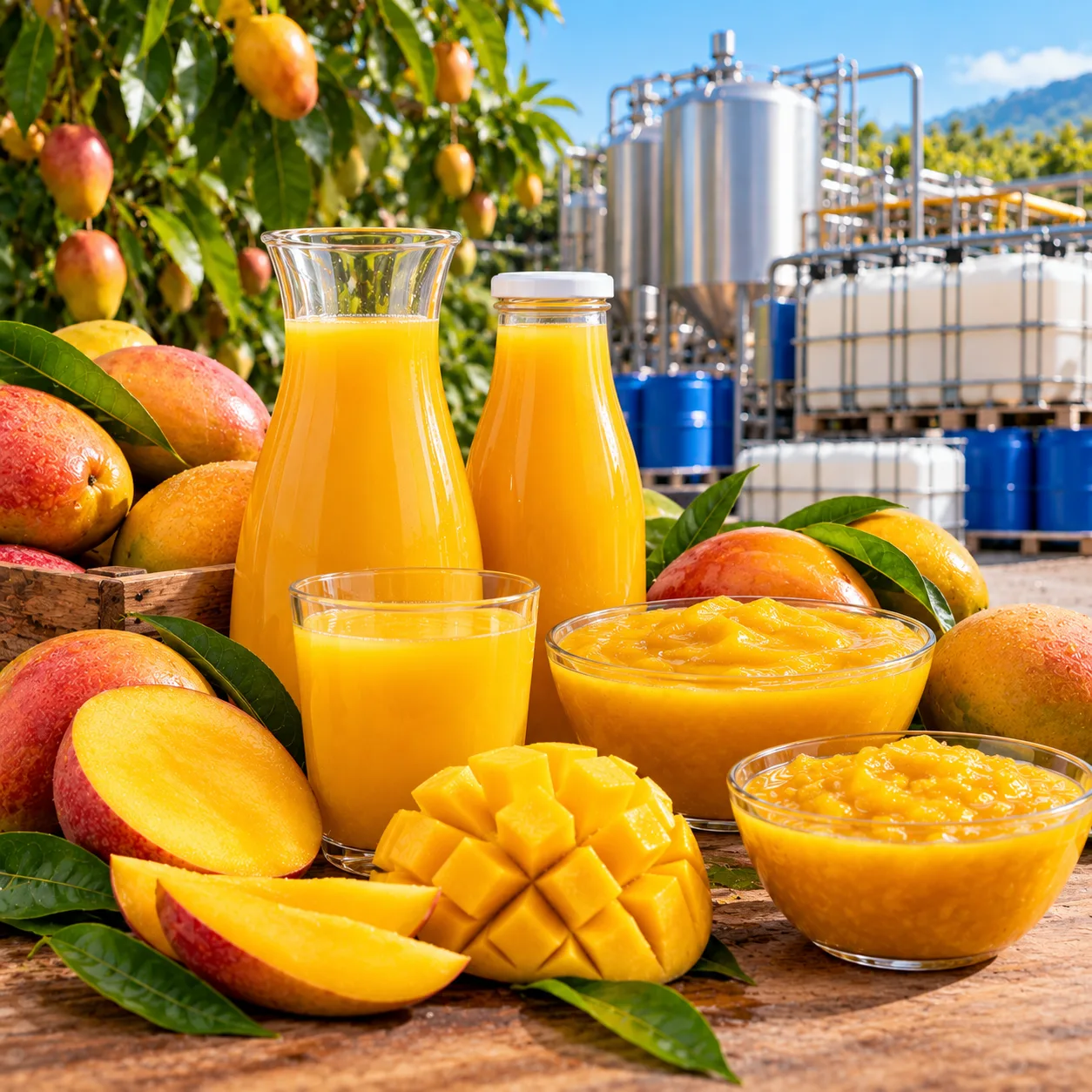
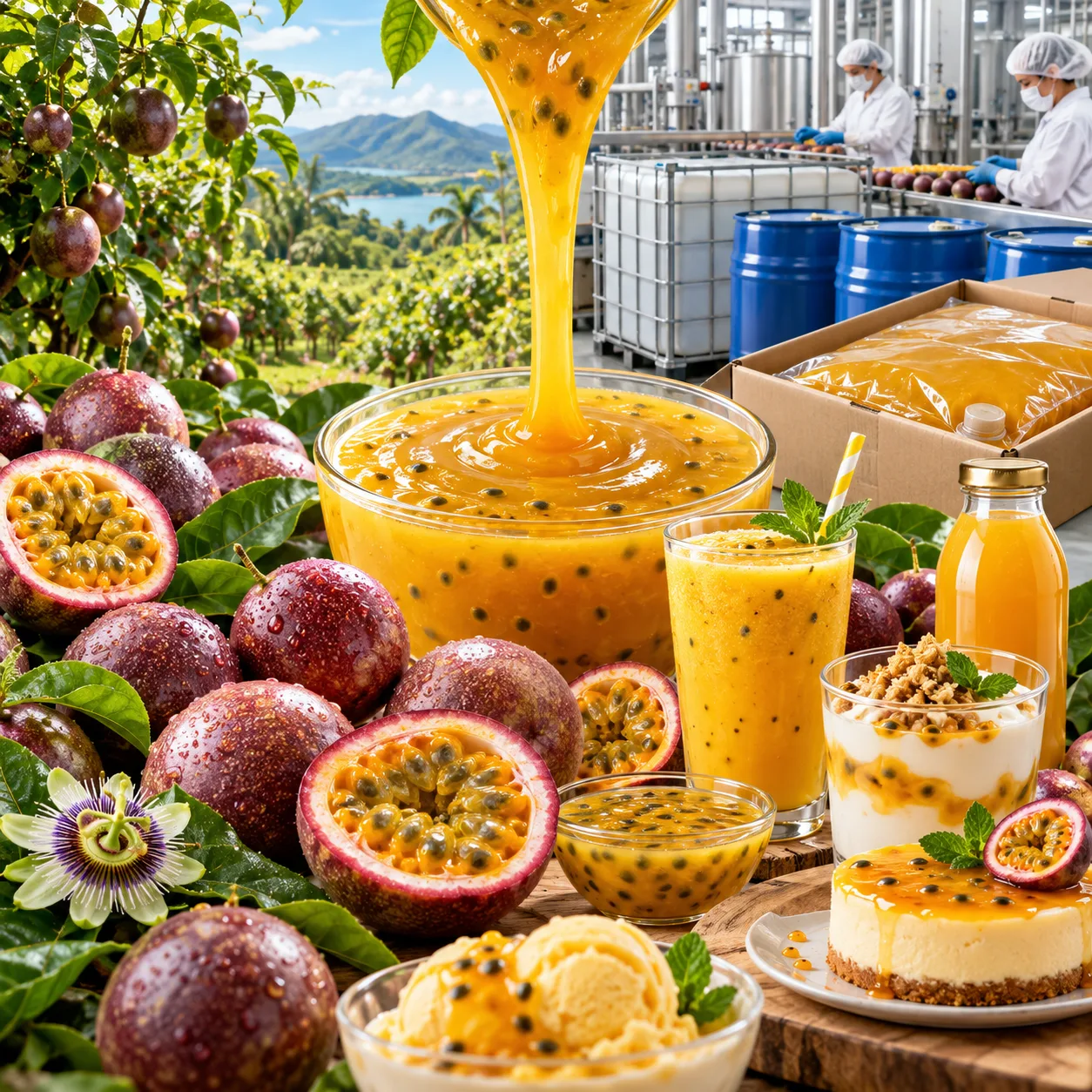
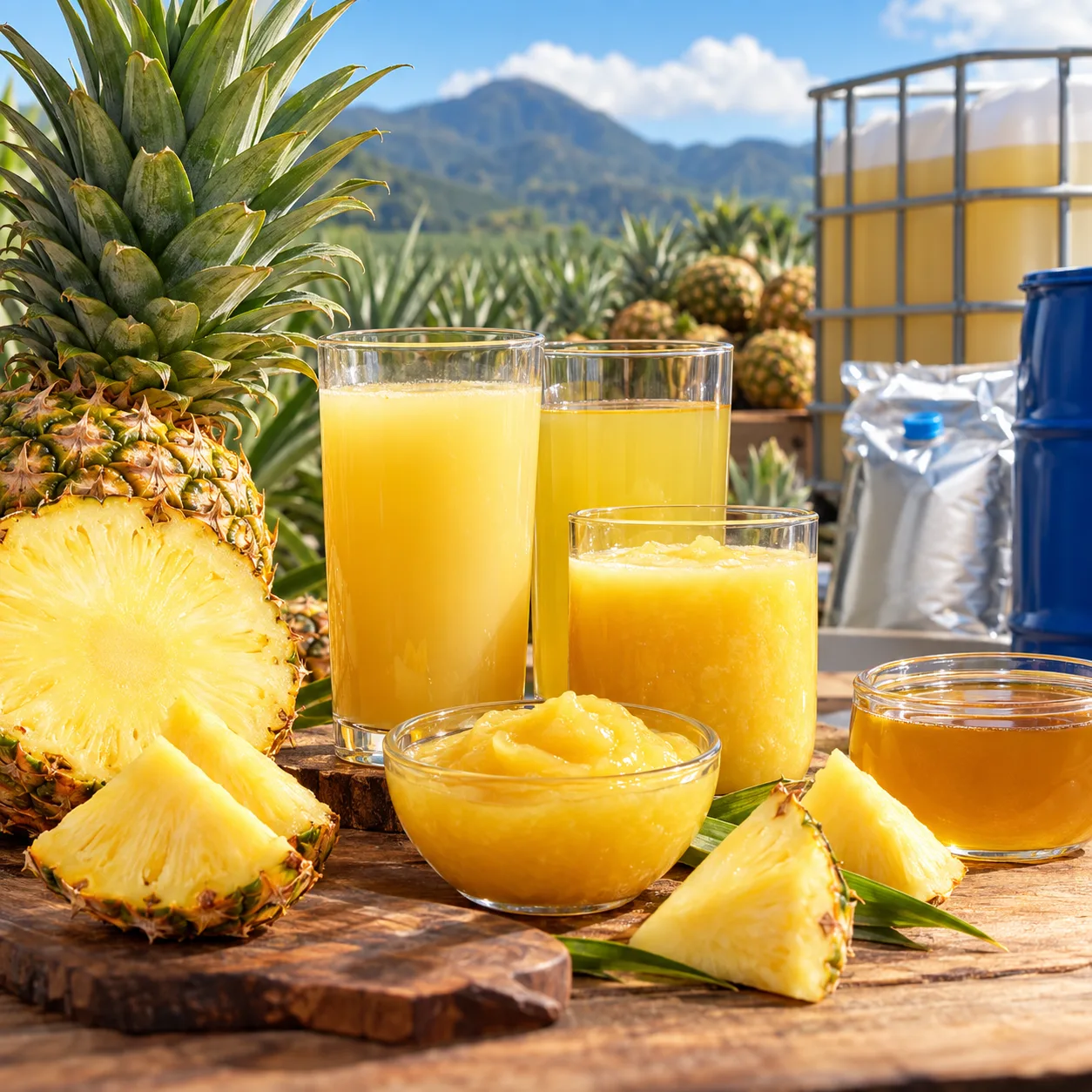
Passion fruit, mango, pineapple, guava, lychee and other tropical fruits provide distinctive aroma profiles. Passion fruit is especially intense and acidic, while mango is softer and rounder and pineapple combines sweetness with bright acidity.

Commercial passion fruit concentrate is commonly supplied around 50° Brix and can have substantially higher titratable acidity than mild fruits such as apple or grape.

Major uses: beverages, smoothies, cocktails, dairy, frozen desserts, sauces, bakery and tropical blends.

🍑

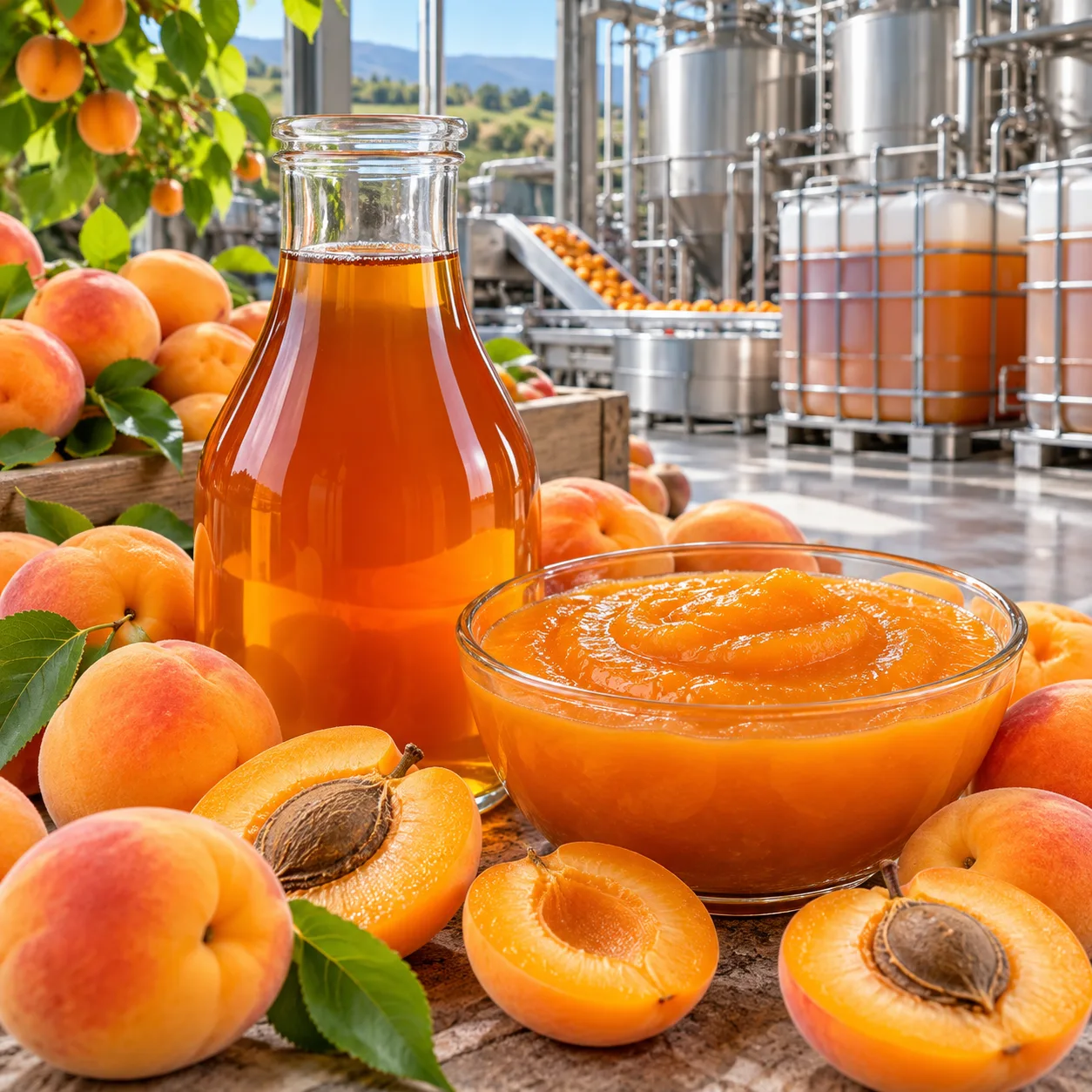
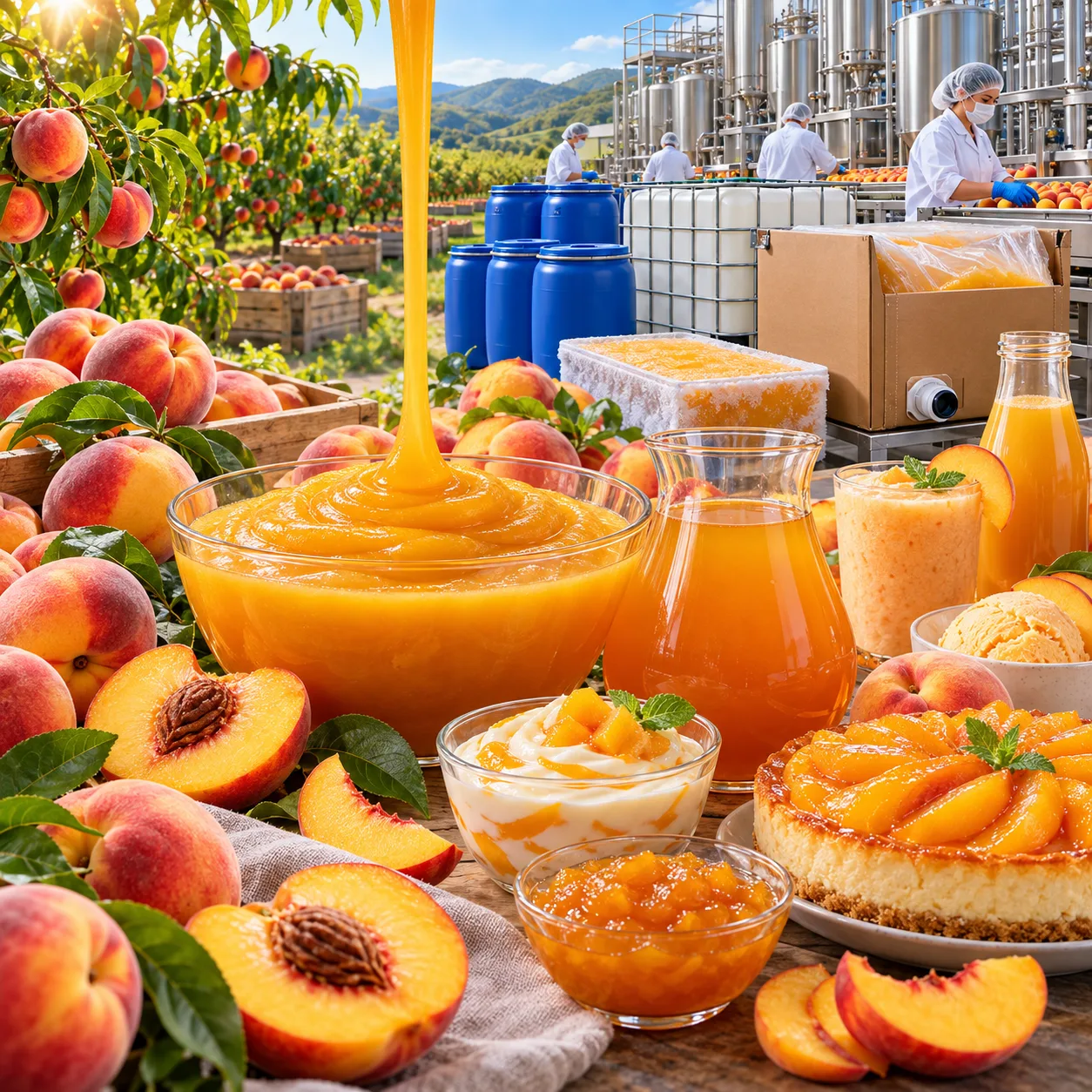
Stone Fruit, Pear & Melon

Peach, apricot, plum, prune, quince, pear, watermelon and honeydew provide softer fruit profiles than many berries and citrus fruits.

These concentrates can be useful where a formulation needs recognizable fruit solids and flavor without the sharp acidity of lemon, cranberry or passion fruit.

Major uses: beverages, bakery, fruit preparations, dairy, confectionery, foodservice and blended fruit systems.

Vegetable concentrates

Concentrates are not limited to fruit.

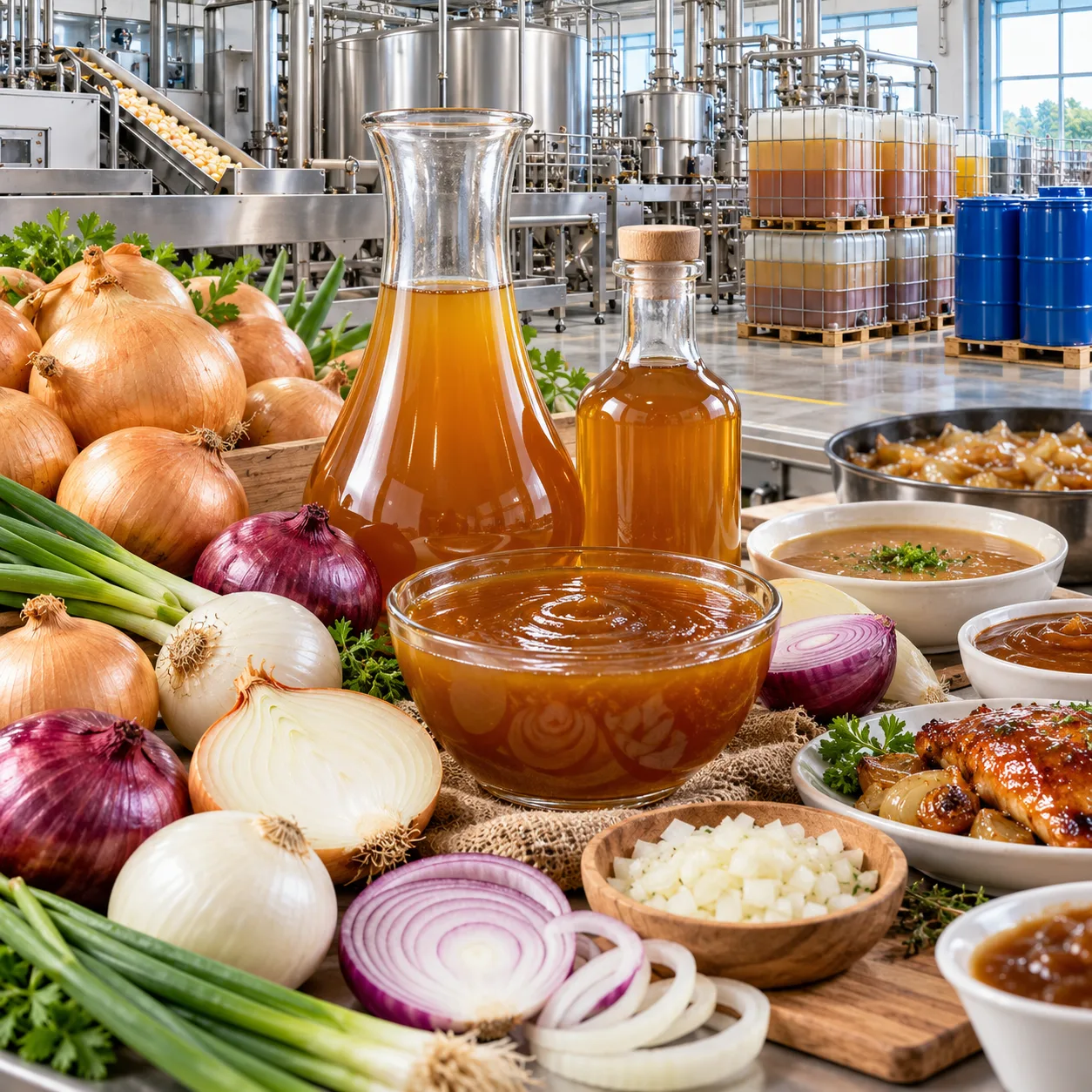
Vegetable concentrates such as carrot, purple carrot, red beet, celery, kale, spinach, cucumber, onion, pumpkin and butternut squash can be used where manufacturers need concentrated vegetable solids, flavor or color with less water than single-strength juice.

Carrot and pumpkin offer comparatively mild sweetness and body, while beet and purple carrot provide stronger color. Celery and onion are more savory and may be used at lower formulation rates where their flavor contribution is intentional.

Lower-acid vegetable ingredients can behave very differently from acidic fruit concentrates. Finished-product processing and safety therefore need to be validated for the complete formulation rather than inferred from the concentrate alone.

Technical specifications

What buyers should compare before approving a concentrate

Concentration is only one part of the specification. Natural fruit ingredients can vary by crop, origin, variety and processing method, so commercial comparison should include the parameters that affect the actual finished product.

  • Brix / soluble solids: indicates concentration and is central to yield and reconstitution calculations.
  • Acid-corrected Brix: may be reported for acidic fruits where organic acids influence direct refractometer readings.
  • Titratable acidity: measures total acid contribution and is commonly reported as malic, citric or tartaric acid depending on the fruit.
  • pH: relevant to flavor, processing and interactions with other formulation components.
  • Specific gravity: useful for pumping, industrial metering and weight-to-volume conversion.
  • Reconstitution: identifies the approximate concentrate-to-water ratio used to return the product toward single strength.
  • Clarity / turbidity: important for clear drinks, cloudy beverages and visual product targets.
  • Pulp: relevant to citrus, passion fruit and other less-clarified concentrate formats.
  • Color: particularly important for berry, cherry, pomegranate, purple carrot and beet ingredients.
  • Flavor and aroma: should be characteristic of the stated ingredient and free from objectionable fermented, scorched or oxidized notes.
  • Microbiological limits: should match the manufacturer's ingredient-quality program and production process.
  • Ingredient statement: confirms whether the product consists solely of the stated concentrate or includes other components.
  • Country of origin and crop: useful for traceability, sensory consistency and supply planning.
Representative commercial references: Apple concentrate is commonly around 70° Brix, white grape around 68° Brix, orange and pomegranate around 65° Brix, and passion fruit and cranberry around 50° Brix. These figures are examples rather than universal standards. Use the current supplier specification and certificate of analysis for commercial approval.
Acidity matters

Brix alone does not describe how a concentrate will taste.

Two concentrates at similar soluble-solids levels can have very different sensory impact. A mild apple or white grape concentrate behaves differently from pomegranate, cranberry or passion fruit because of major differences in natural acidity and aroma intensity.

Apple specifications commonly express acidity as malic acid, while white grape often uses tartaric acid. Orange, pomegranate, passion fruit and many berry specifications commonly use citric-acid equivalents.

Passion fruit and cranberry can make a particularly large acid contribution to a formulation. Buyers should therefore evaluate Brix, titratable acidity and pH together rather than purchasing only to a concentration number.

Industrial applications

Where juice concentrates are used

Juice Drinks & RTD Beverages

Concentrates provide efficient fruit solids, flavor and acidity for juice beverages, fruit drinks, teas, lemonades and other ready-to-drink products.

Carbonated & Functional Beverages

Citrus, berry, cherry, pomegranate and tropical concentrates are used in carbonated soft drinks, sparkling beverages, sports drinks, energy drinks and functional-style formulations.

Brewing, Cider & Fermentation

Apple, grape, berry, cherry and tropical concentrates can contribute fermentable sugars, fruit character, acidity and color in beer, cider, kombucha, wine and mead.

Bakery & Fillings

High-solids fruit concentrates can deliver flavor with less water than single-strength juice, making them useful in cakes, muffins, glazes, pastry fillings and fruit swirls.

Confectionery

Concentrates are used in gummies, fruit gels, chews, fondants and chocolate centers where concentrated fruit flavor and controlled moisture are important.

Dairy & Frozen Desserts

Berry, tropical and citrus concentrates can be incorporated into yogurt preparations, dairy beverages, ice cream, sorbet and frozen fruit systems.
Sauces, Dressings & Marinades

Apple, orange, pineapple, pomegranate, cherry and passion fruit concentrates can provide sweetness, acidity and fruit complexity in savory formulations.
Jams & Fruit Preparations

Concentrates can increase soluble fruit solids and intensify flavor in jams, spreads, yogurt preparations, bakery fruit systems and dessert toppings.

Prepared Foods & Foodservice

Fruit and vegetable concentrates can be used in soups, sauces, beverage bases, glazes, prepared meals and foodservice systems where concentrated solids simplify handling.

Commercial formats

Packaging, storage and logistics

Commercial concentrates may be supplied in pails, bag-in-box systems, lined drums, totes or larger bulk programs depending on the ingredient and supplier.

Many high-Brix fruit concentrates are shipped frozen or refrigerated, while selected products may also be available in aseptic formats. Storage requirements and unopened shelf life should always be confirmed from the current product specification.

Concentrates can become highly viscous at low temperatures. Thawing, warming, pumping and metering procedures should therefore be considered during plant trials, especially when handling high-Brix material from frozen storage.

When comparing offers, consider usable fruit solids, Brix, acidity, net pack weight, freight, storage requirements, minimum order quantity and production yield rather than comparing price per pound alone.

Sourcing

Build the request around the finished application.

A strong commercial inquiry identifies not only the fruit but also the format and function required in the finished product.

  • Fruit or vegetable: identify the required ingredient.
  • Target concentration: include Brix where already established.
  • Application: beverage, brewing, bakery, confectionery, dairy, sauce or another manufacturing use.
  • Quantity: trial quantity, initial commercial requirement and estimated annual demand.
  • Destination: delivery city, state or country.
  • Packaging: pail, bag-in-box, drum, tote or bulk where known.
  • Storage capability: frozen, refrigerated or ambient where applicable.
  • Technical requirements: Brix, acidity, pH, clarity, pulp, color or microbiological limits.
  • Certifications: conventional, organic, Kosher, Halal or customer-specific requirements.
  • Timing: sample requirement, pilot production, launch or regular purchasing schedule.
Product directory

Browse the current concentrate catalog.

Availability, specification, origin, packing and certification vary by product and lot. Use individual product pages as a discovery guide, then request the current specification, certificate of analysis and commercial details.

Açaí Berry Juice Concentrate
Juice ConcentrateAçaí Berry Juice Concentrate
Apple Juice Concentrate
Juice ConcentrateApple Juice Concentrate
Apricot Juice Concentrate
Juice ConcentrateApricot Juice Concentrate
Aronia Juice Concentrate
Juice ConcentrateAronia Juice Concentrate
Banana Juice Concentrate
Juice ConcentrateBanana Juice Concentrate
Black Currant Juice Concentrate
Juice ConcentrateBlack Currant Juice Concentrate
Black Raspberry Juice Concentrate
Juice ConcentrateBlack Raspberry Juice Concentrate
Black Sweet Cherry Juice Concentrate
Juice ConcentrateBlack Sweet Cherry Juice Concentrate
Blackberry Juice Concentrate
Juice ConcentrateBlackberry Juice Concentrate
Blood Orange Juice Concentrate
Juice ConcentrateBlood Orange Juice Concentrate
Blueberry Juice Concentrate
Juice ConcentrateBlueberry Juice Concentrate
Boysenberry Juice Concentrate
Juice ConcentrateBoysenberry Juice Concentrate
Butternut Squash Juice Concentrate
Juice ConcentrateButternut Squash Juice Concentrate
Celery Juice Concentrate
Juice ConcentrateCelery Juice Concentrate
Concord Grape Juice Concentrate
Juice ConcentrateConcord Grape Juice Concentrate
Cranberry Juice Concentrate
Juice ConcentrateCranberry Juice Concentrate
Cucumber Juice Concentrate
Juice ConcentrateCucumber Juice Concentrate
Deionized Apple Juice Concentrate
Juice ConcentrateDeionized Apple Juice Concentrate
Elderberry Juice Concentrate
Juice ConcentrateElderberry Juice Concentrate
Fig Juice Concentrate
Juice ConcentrateFig Juice Concentrate
Grapefruit Juice Concentrate
Juice ConcentrateGrapefruit Juice Concentrate
Guava Juice Concentrate
Juice ConcentrateGuava Juice Concentrate
Honeydew Melon Juice Concentrate
Juice ConcentrateHoneydew Melon Juice Concentrate
Kale Juice Concentrate
Juice ConcentrateKale Juice Concentrate
Kiwi Juice Concentrate
Juice ConcentrateKiwi Juice Concentrate
Lemon Juice Concentrate
Juice ConcentrateLemon Juice Concentrate
Lime Juice Concentrate
Juice ConcentrateLime Juice Concentrate
Lychee Juice Concentrate
Juice ConcentrateLychee Juice Concentrate
Mango Juice Concentrate
Juice ConcentrateMango Juice Concentrate
Mulberry Juice Concentrate
Juice ConcentrateMulberry Juice Concentrate
Onion Juice Concentrate
Juice ConcentrateOnion Juice Concentrate
Orange Carrot Juice Concentrate
Juice ConcentrateOrange Carrot Juice Concentrate
Orange Juice Concentrate
Juice ConcentrateOrange Juice Concentrate
Passion Fruit Juice Concentrate
Juice ConcentratePassion Fruit Juice Concentrate
Peach Juice Concentrate
Juice ConcentratePeach Juice Concentrate
Pear Juice Concentrate
Juice ConcentratePear Juice Concentrate
Pineapple Juice Concentrate
Juice ConcentratePineapple Juice Concentrate
Plum Juice Concentrate
Juice ConcentratePlum Juice Concentrate
Pomegranate Juice Concentrate
Juice ConcentratePomegranate Juice Concentrate
Prune Juice Concentrate
Juice ConcentratePrune Juice Concentrate
Pumpkin Juice Concentrate
Juice ConcentratePumpkin Juice Concentrate
Purple Carrot Juice Concentrate
Juice ConcentratePurple Carrot Juice Concentrate
Quince Juice Concentrate
Juice ConcentrateQuince Juice Concentrate
Red Beet Juice Concentrate
Juice ConcentrateRed Beet Juice Concentrate
Red Currant Juice Concentrate
Juice ConcentrateRed Currant Juice Concentrate
Red Grape Juice Concentrate
Juice ConcentrateRed Grape Juice Concentrate
Red Raspberry Juice Concentrate
Juice ConcentrateRed Raspberry Juice Concentrate
Rhubarb Juice Concentrate
Juice ConcentrateRhubarb Juice Concentrate
Sour Tart Cherry Juice Concentrate
Juice ConcentrateSour Tart Cherry Juice Concentrate
Spinach Juice Concentrate
Juice ConcentrateSpinach Juice Concentrate
Strawberry Juice Concentrate
Juice ConcentrateStrawberry Juice Concentrate
Tangerine Juice Concentrate
Juice ConcentrateTangerine Juice Concentrate
Watermelon Juice Concentrate
Juice ConcentrateWatermelon Juice Concentrate
White Grape Juice Concentrate
Juice ConcentrateWhite Grape Juice Concentrate

Need help narrowing the concentrate list?

Tell us the fruit, application, target Brix, approximate order size and destination. Add packaging, organic certification, acidity or clarity requirements when already known.

Request product guidance
Frequently asked

Questions concentrate buyers often ask

What is juice concentrate?

Juice concentrate is produced by removing a substantial portion of the water from fruit or vegetable juice. This creates a higher-solids ingredient that can be reconstituted or used directly in food and beverage formulations.

What Brix levels are common for juice concentrates?

It depends on the fruit. Representative commercial examples include apple around 70° Brix, white grape around 68° Brix, orange and pomegranate around 65° Brix, and passion fruit or cranberry around 50° Brix. The current supplier specification should always be used for purchasing.

Why does acidity matter if two products have similar Brix?

Brix describes soluble solids but does not fully describe tartness. Apple and white grape can be relatively mild, while passion fruit, cranberry and pomegranate can contribute substantially more acidity. Review Brix, titratable acidity and pH together.

Which specifications should I request?

Review Brix, acid-corrected Brix where applicable, pH, titratable acidity, specific gravity, clarity or pulp, color, microbiological limits, ingredient statement, origin, packaging and storage requirements.

Are aseptic and frozen options available?

Depending on the fruit and supplier, concentrates may be offered frozen, refrigerated, aseptic or in another commercial format. Confirm the process and storage requirements for the exact product.

Which industries use juice concentrates?

Major applications include beverages, brewing, cider, bakery, confectionery, dairy and frozen desserts, sauces, dressings, jams, fruit preparations and prepared foods.

When is concentrate preferable to NFC juice?

Concentrate is often useful when a manufacturer wants more fruit solids with less water, greater freight efficiency, reduced storage volume or more control over reconstitution. NFC may be preferred when a single-strength juice format is the product-development goal.

Can concentrates be organic?

Organic options may be available for many fruits and vegetables, subject to crop, origin and supplier program. Request current organic certification for the exact commercial product.

How should I request a quote?

Include the fruit, target Brix or format, approximate quantity, intended application, delivery destination, timing, preferred packaging and any certification or technical requirements.

Are the technical values on this page guaranteed specifications?

No. They are representative commercial references. Actual Brix, acidity, pH, specific gravity, microbiological limits, packaging and storage requirements vary by fruit, crop, origin and supplier. Final approval should use the current specification and certificate of analysis.