Bulk NFC Fruit & Vegetable Juices
Explore not-from-concentrate juices for beverage and food manufacturing, from apple, citrus and berries to tropical fruits and vegetables. Compare natural fruit characteristics, typical commercial specifications, handling requirements and industrial applications.
What is NFC juice?
NFC means not from concentrate. The juice remains at approximately the fruit or vegetable's natural single-strength concentration rather than having a large portion of its water removed and later being reconstituted.
That distinction affects formulation and logistics. NFC juice brings its natural water content into the recipe, while juice concentrate delivers substantially more soluble fruit solids per unit weight. NFC can therefore be attractive where a direct juice format, natural single-strength profile or less concentrated sensory character is desired.
NFC does not mean that every product is processed or stored identically. Commercial products may be pasteurized and supplied frozen, chilled or in an aseptic package depending on the fruit, processor and supply program.
Different fruits bring very different solids, acidity and flavor.
Apple & Pear
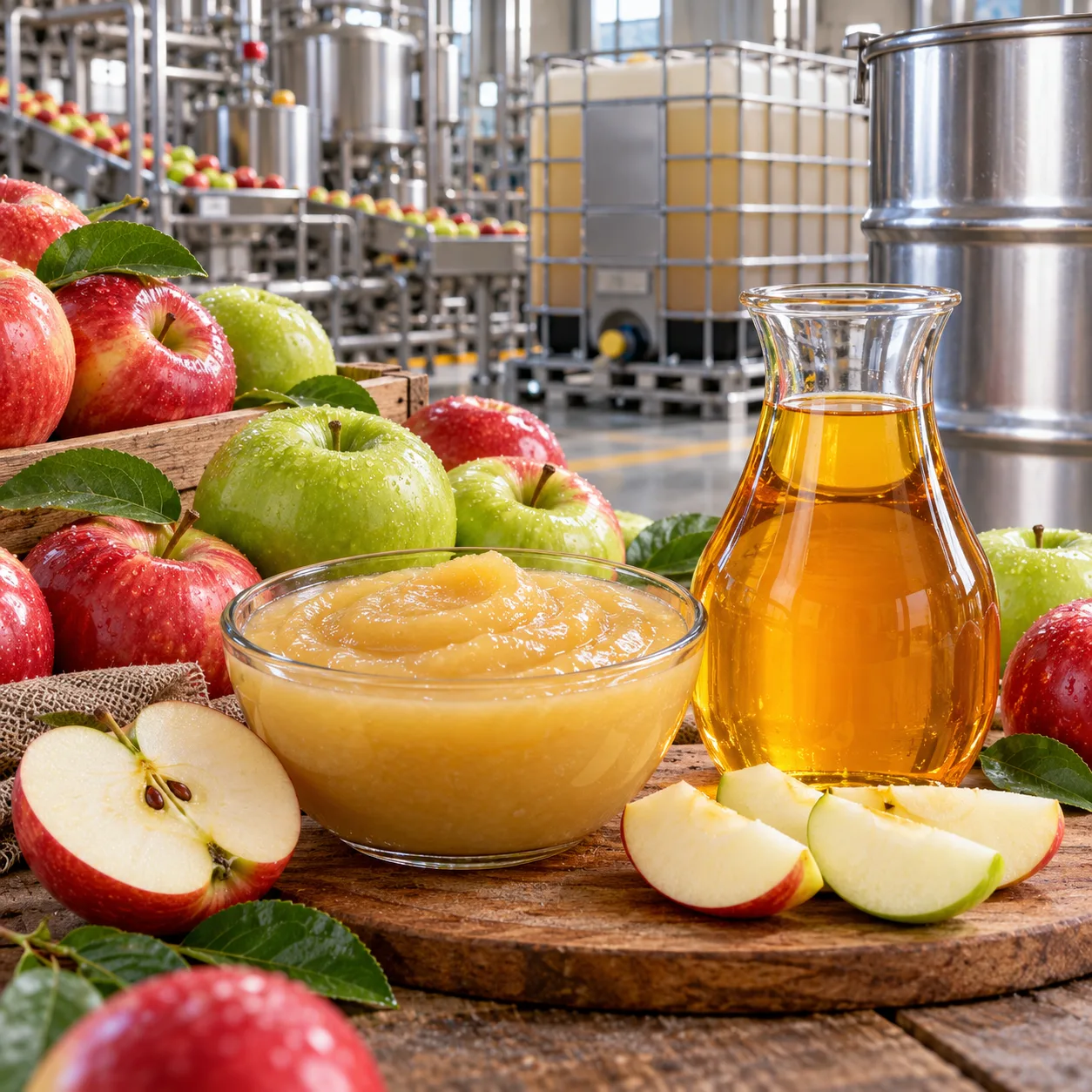
Apple and pear NFC juices have relatively mild fruit character and work well as standalone juices or as supporting bases for berry, tropical and vegetable blends.
Commercial apple NFC specifications commonly fall around 10–14° Brix, with acidity often expressed as malic acid.
Typical applications: juice blends, cider, smoothies, fruit preparations, sauces and fermented beverages.
Orange, Tangerine & Grapefruit
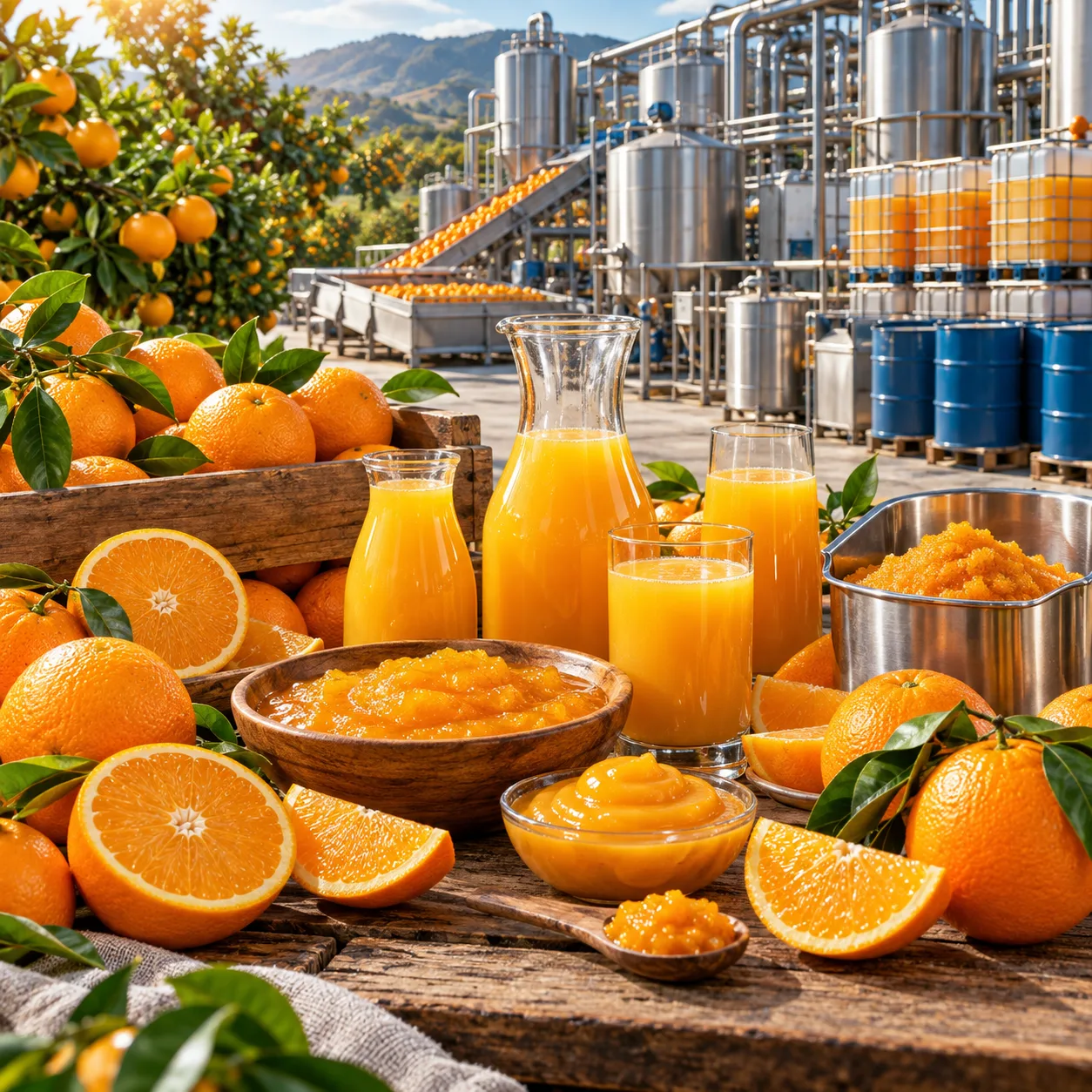
Citrus NFC juices provide fresh citrus aroma, natural cloud, pulp and predominantly citric acidity. Orange is generally sweeter and rounder, while grapefruit contributes greater bitterness and tartness.
Commercial orange NFC may be around 11–14° Brix, while grapefruit commonly runs somewhat lower. Brix-to-acid ratio is often important to citrus sensory quality.
Typical applications: premium juice, breakfast beverages, sparkling drinks, tea, brewing, dairy drinks and citrus blends.
Lemon & Lime
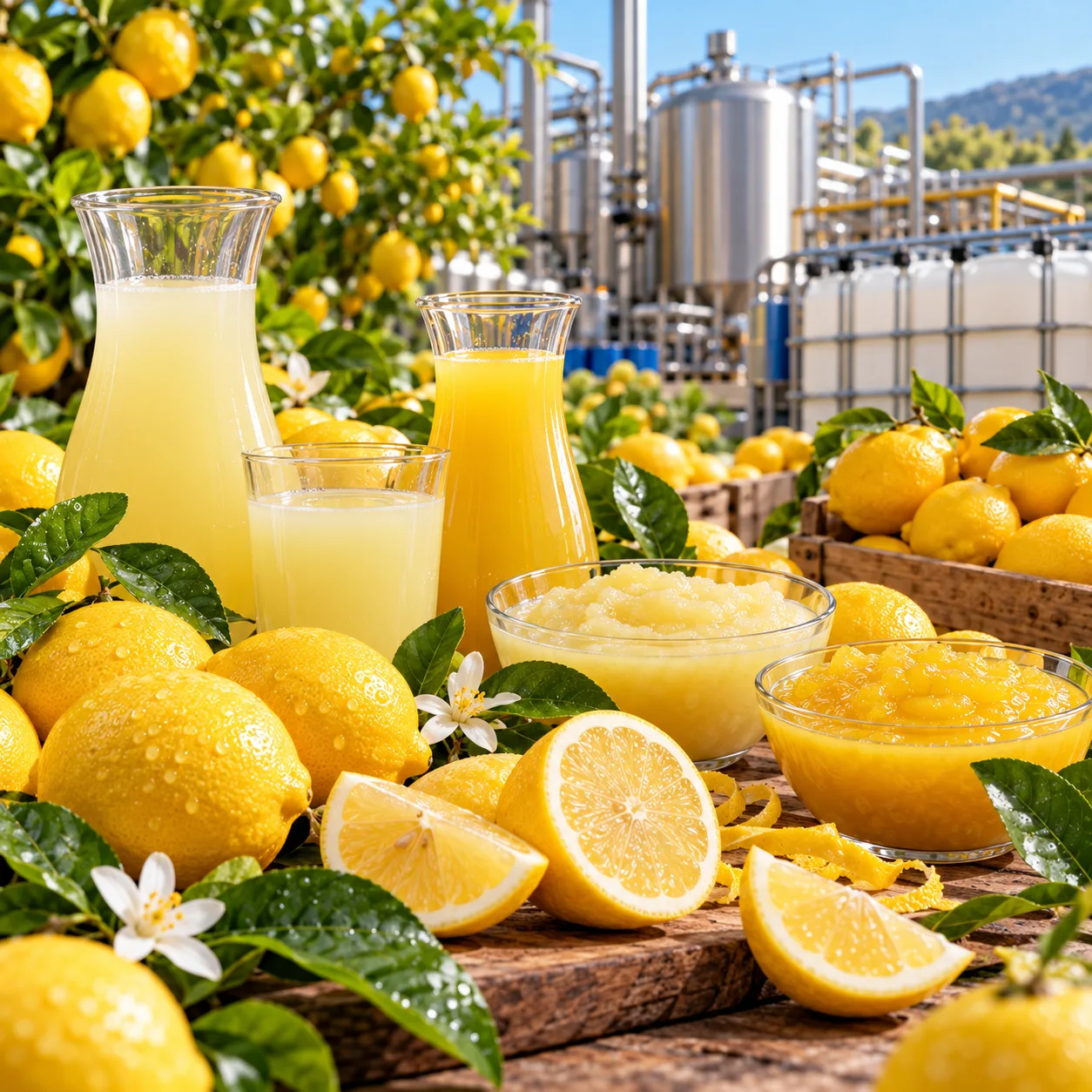
Lemon and lime NFC juices are strongly acidic ingredients used primarily for citrus flavor and acid contribution rather than sweetness.
Lemon NFC is commonly around 8–10° corrected Brix with approximately 4.5–6% or more citric acidity, depending on crop and specification.
Typical applications: lemonade, tea, carbonated beverages, sauces, marinades, cocktail mixes, confectionery and foodservice.
Cranberry, Cherry & Pomegranate
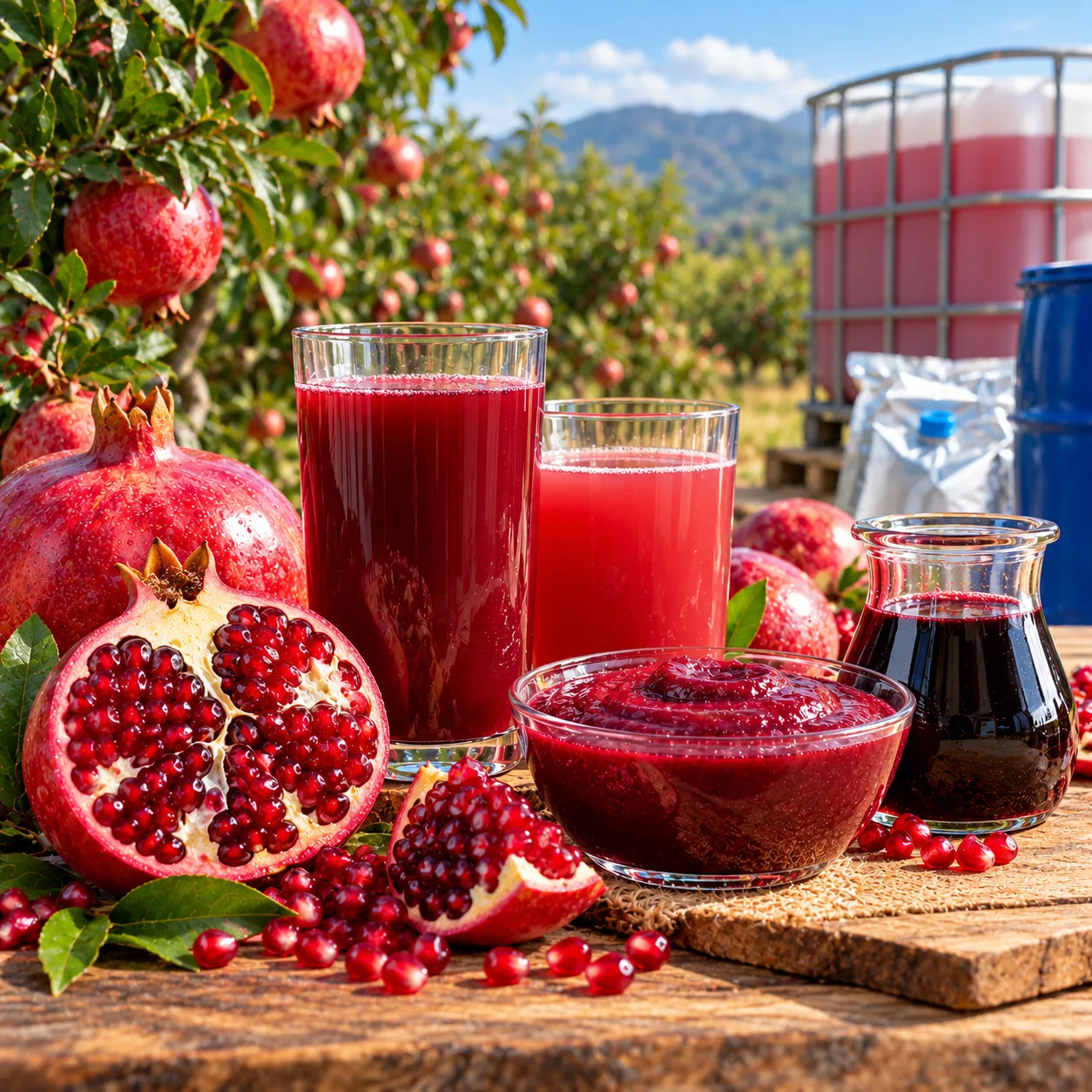
These fruits provide stronger acidity and red-fruit character than apple or pear. Pomegranate adds dark-fruit complexity, while tart cherry and cranberry can provide pronounced tartness.
NFC cranberry can be comparatively low in soluble solids—commercial examples may begin around 5.5° Brix—with naturally low pH and substantial acidity.
Typical applications: juice blends, functional beverages, brewing, cider, sauces, fruit preparations and specialty drinks.
Berries & Açaí
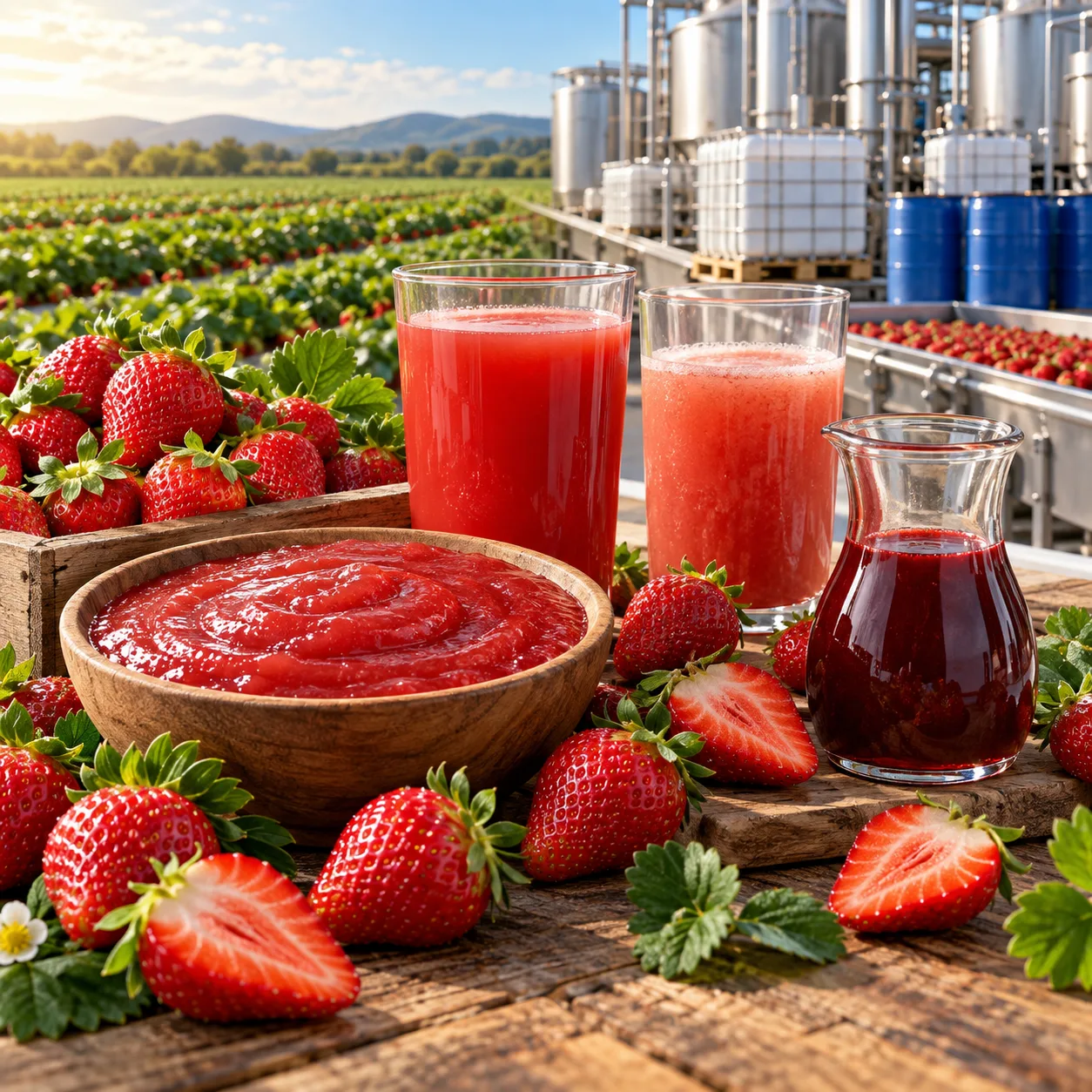
Blackberry, blueberry, boysenberry, raspberry, strawberry and açaí provide distinctive color and strong fruit identity. Crop, variety and juice-processing method can materially influence acidity, color and suspended solids.
Berry NFC juices are particularly useful where manufacturers want authentic fruit character without first concentrating and reconstituting the juice.
Typical applications: smoothies, functional beverages, fermented beverages, dairy products, frozen desserts and premium juice blends.
Mango, Pineapple & Watermelon
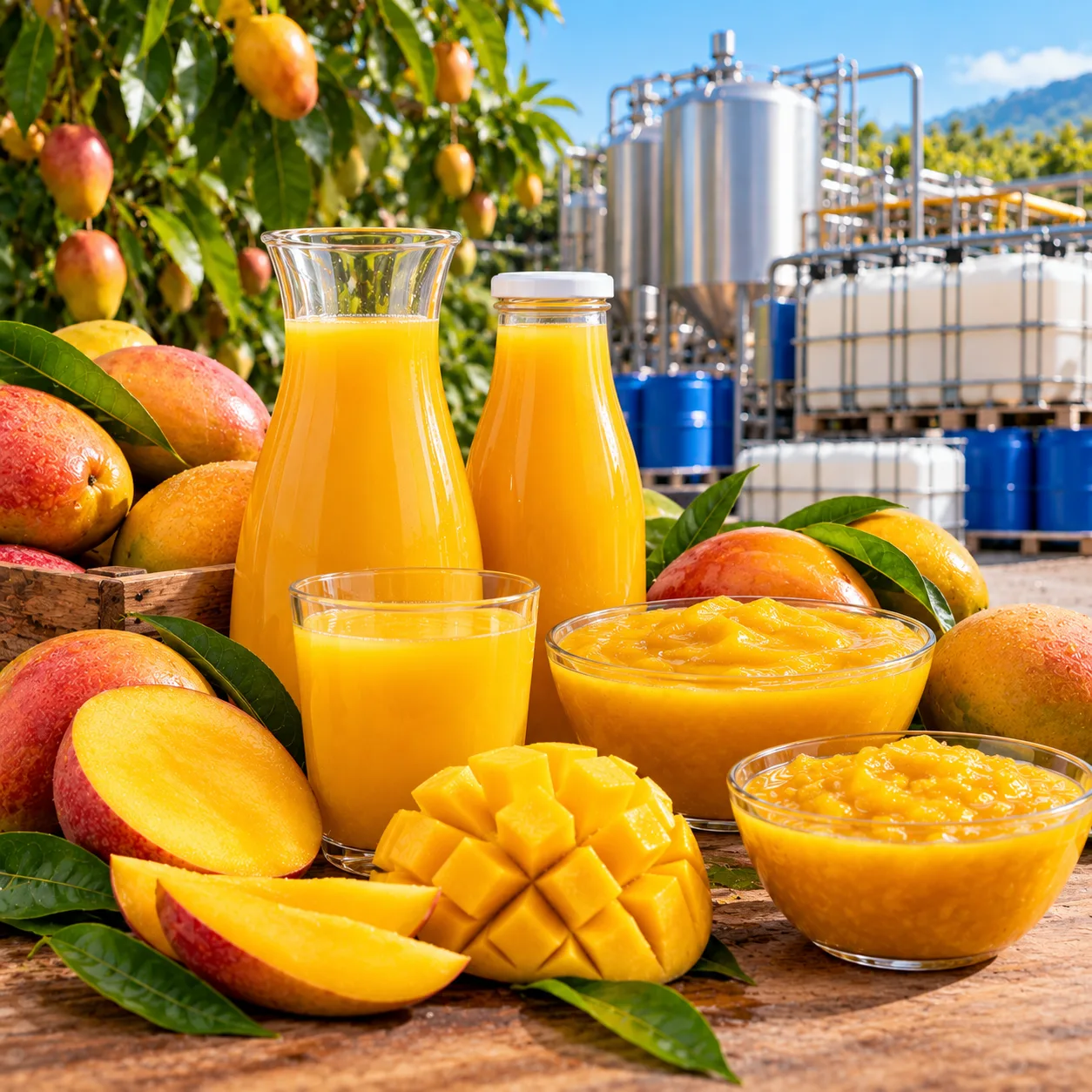
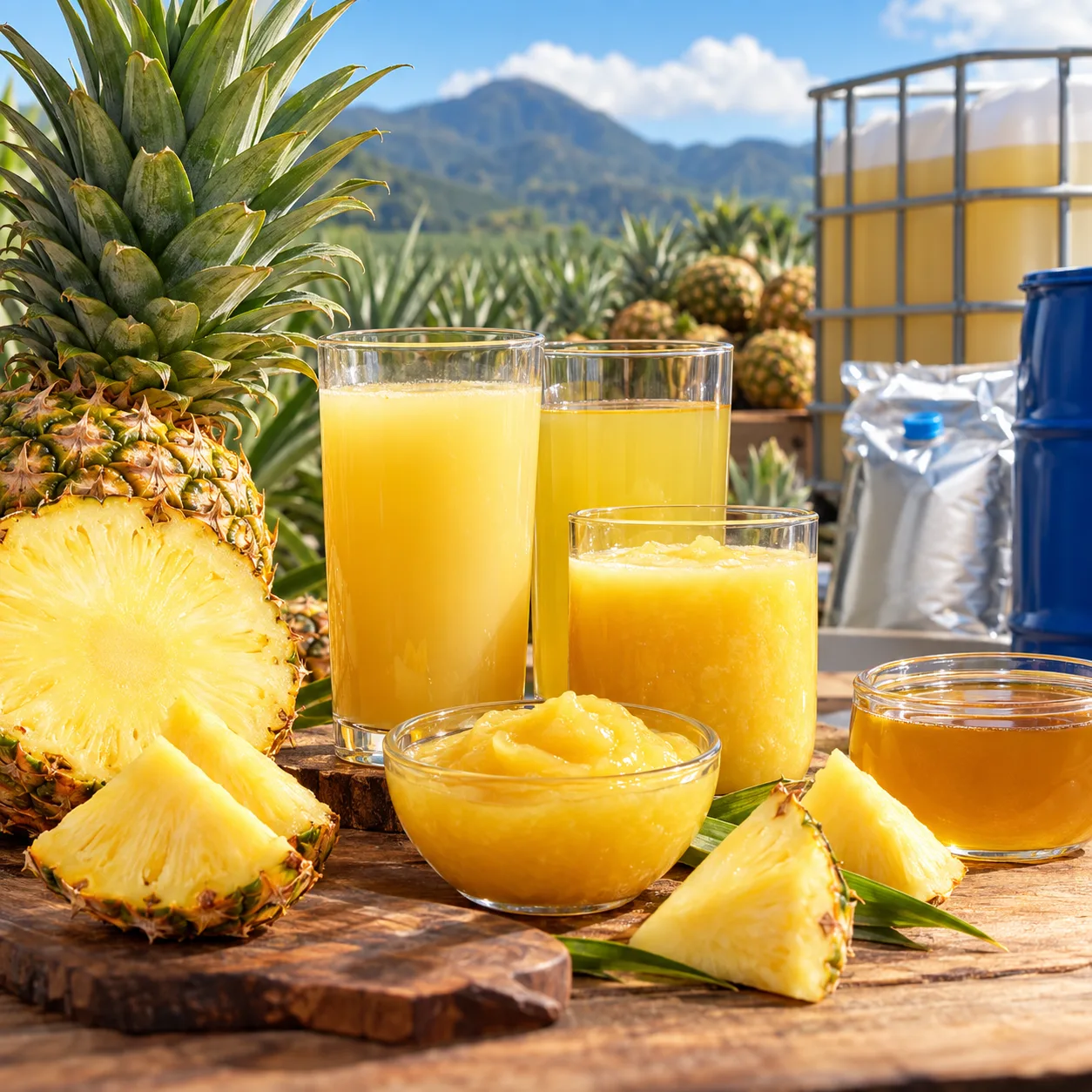
Tropical fruits provide distinctive aroma profiles. Mango has a rounded ripe-fruit character, pineapple combines sweetness with bright acidity, and watermelon offers a lighter fresh-melon profile.
Depending on the fruit, NFC juice may be clear, cloudy or contain fine suspended solids. The actual commercial specification should define Brix, acidity and physical appearance.
Typical applications: tropical beverages, smoothies, cocktails, mocktails, frozen desserts and multi-fruit blends.
Carrot, beet, cucumber and spinach extend NFC beyond fruit.
NFC vegetable juices can be used alongside fruit to build savory, vegetable-forward or blended beverage systems. Their analytical profiles differ considerably from highly acidic citrus and berry juices.
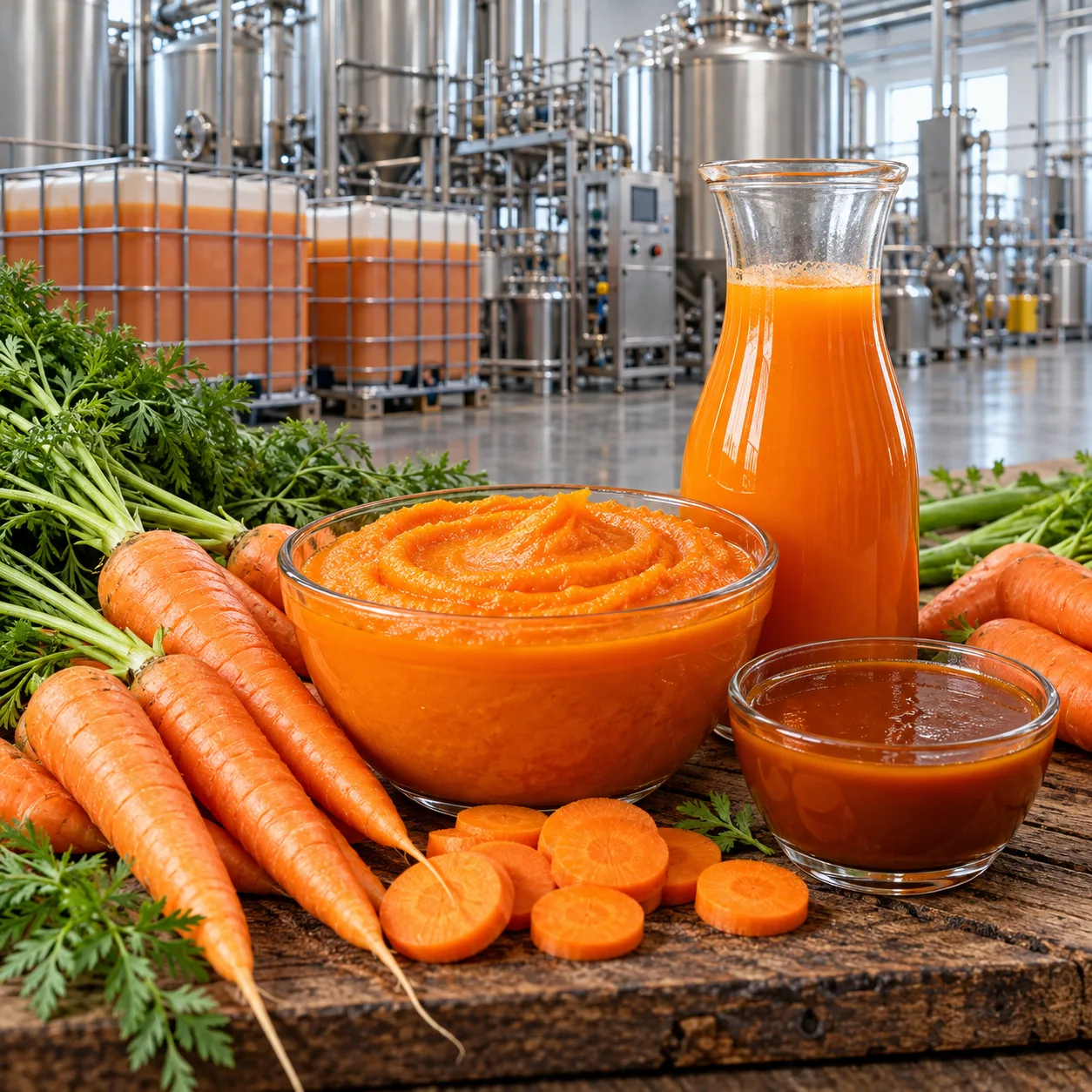
Orange carrot NFC, for example, may be approximately 7–11° Brix with a pH around 4.0–4.8. Carrot contributes mild sweetness, vegetable character and orange color. Red beet provides deeper red-purple color and earthy flavor, while cucumber and spinach are generally selected for fresher green vegetable profiles.
Because lower-acid vegetable juices behave differently from lemon, cranberry or other acidic fruit juices, processing and finished-product safety should be established for the complete formulation rather than inferred from ingredient type alone.
What buyers should compare on an NFC specification
NFC juice is still a natural agricultural ingredient. Variety, maturity, crop year, origin and processing can produce meaningful differences from one lot or source to another.
- Brix / soluble solids: confirms natural juice solids and helps maintain batch consistency.
- Titratable acidity: useful for flavor balance and formulation calculations; the reporting acid depends on the fruit.
- pH: relevant to flavor, processing and the complete finished-product system.
- Brix-to-acid ratio: particularly useful for citrus sensory comparison.
- Specific gravity: useful for industrial dosing and weight-to-volume calculations.
- Pulp / cloud: important for orange, citrus and other cloudy juices.
- Clarity: relevant where a clear juice or finished beverage is required.
- Color: particularly important for berries, cherry, pomegranate, beet and carrot.
- Flavor and aroma: should be characteristic of the stated fruit or vegetable and free of objectionable notes.
- Microbiological limits: should meet the buyer's process and quality requirements.
- Ingredient statement: confirms the actual product composition.
- Country of origin: useful for traceability, sensory consistency and supply planning.
- Certifications: conventional, organic, Kosher, Halal or customer-specific requirements where applicable.
Choosing the right juice format
Choose NFC when...
The project benefits from a natural single-strength juice format, the formulation can accommodate the juice's water content, or the desired sensory brief favors an NFC-style juice profile.
Choose concentrate when...
Freight efficiency, high soluble solids, reduced ingredient water, smaller storage volume or controlled reconstitution are more important to the manufacturing process.
Neither format is automatically better. The appropriate choice depends on product positioning, recipe water balance, freight, warehouse capacity, process equipment, storage temperature and total delivered cost.
Browse the current NFC catalog.
Explore fruit and vegetable NFC juice pages below. Availability, specification, origin, packing and certification vary by product and lot. Use the individual pages for discovery, then request current commercial details for your project.











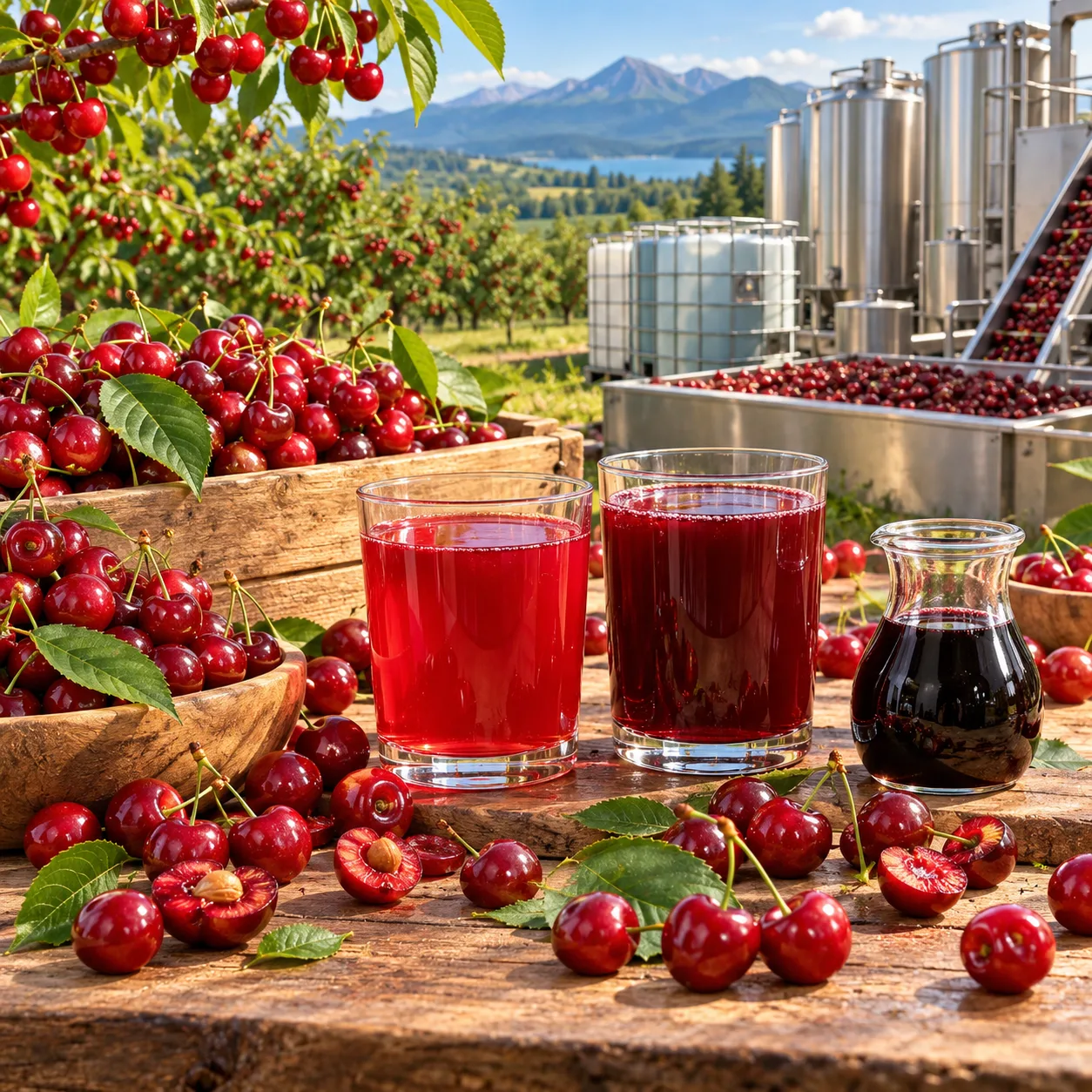

Where NFC juices are used
Premium Juice & Juice Blends
Apple, orange, grape, pineapple, berry and other NFC juices can be used directly or blended to create single-fruit and multi-fruit beverage systems.
Smoothies & Refrigerated Drinks
NFC juice can supply the liquid fruit phase in smoothies and chilled beverages, often in combination with fruit purees where additional body is needed.
Carbonated & Sparkling Beverages
Citrus, apple, berry and tropical NFC juices can provide authentic fruit character in sparkling drinks when the formulation can accommodate their natural water and pulp contribution.
Cider, Beer & Fermentation
Apple, pear, berry, cherry and other juices can contribute fermentable sugars, acidity and varietal fruit character to cider, beer, kombucha, wine and other fermented products.
Dairy & Cultured Products
NFC juices can be used in drinkable yogurt, cultured dairy beverages and fruit-dairy blends where acidity and protein interactions are properly evaluated.
Sauces, Dressings & Marinades
Lemon, lime, orange, pineapple, apple, pomegranate and other NFC juices can supply flavor and acidity in vinaigrettes, sauces, marinades and glazes.
Frozen Desserts
Citrus, berry, tropical and watermelon NFC juices can be incorporated into sorbets, frozen beverages, pops and other fruit-forward frozen products.
Fruit Preparations
NFC juices can provide liquid fruit content, flavor and acidity in prepared fruit systems for dairy, bakery, desserts and foodservice.
Vegetable & Wellness-Style Blends
Carrot, beet, cucumber and spinach can be combined with apple, citrus, pineapple or other fruit juices in vegetable-forward beverage and food formulations.
Commercial handling varies by juice and process.
NFC juices may be supplied in pails, bag-in-box systems, lined drums, totes or tanker quantities depending on the product and commercial volume.
Storage can vary substantially. Some NFC products are sold frozen, some refrigerated, and others aseptically packed. For example, commercial frozen cranberry NFC may be supplied in drums or pails, while aseptic citrus formats may be available in bag-in-box or other industrial packs.
Buyers should confirm storage temperature, unopened shelf life, handling after opening, pack weight, minimum order quantity and freight conditions before comparing commercial offers.
Because NFC contains substantially more water than concentrate, transportation and warehouse cost per unit of fruit solids can be higher. That additional logistical cost should be considered alongside the desired ingredient format and sensory profile.
What to include in an NFC juice inquiry
- Fruit or vegetable: identify the required juice.
- Application: beverage, fermentation, dairy, sauce or other industrial use.
- Quantity: trial, initial order and estimated annual requirement.
- Destination: delivery city, state or country.
- Packaging: pail, bag-in-box, drum, tote or bulk where known.
- Storage capability: frozen, refrigerated or aseptic/ambient where applicable.
- Organic requirement: specify USDA Organic or other required certification.
- Technical needs: Brix, acidity, pH, pulp, clarity, color or microbiological requirements where known.
- Timing: sample date, pilot production, launch or purchasing schedule.
If the exact specification has not yet been established, providing the application and desired fruit profile still gives useful context for identifying an appropriate commercial option.
Need help narrowing the NFC list?
Tell us the fruit, application, expected order size, destination and whether you need conventional or organic supply.
Questions NFC juice buyers often ask
What does NFC juice mean?
NFC means not from concentrate. The juice remains at approximately natural single-strength concentration rather than being concentrated and later reconstituted with water.
What Brix levels are typical for NFC juices?
Brix depends strongly on the fruit and crop. Commercial examples include apple around 10–14° Brix, orange around the low teens, lemon around 8–10° corrected Brix, cranberry from approximately 5.5° Brix upward and orange carrot around 7–11° Brix.
Why choose NFC instead of concentrate?
NFC may be preferred when a formulation calls for natural single-strength juice character or when the manufacturer wants to avoid a concentration and reconstitution step. Concentrate generally provides more fruit solids per unit weight and can be more efficient for freight and storage.
Which technical specifications should I request?
Review Brix, titratable acidity, pH, specific gravity, pulp or clarity, color, microbiological limits, ingredient statement, origin, packaging, storage requirements and applicable certifications.
Do NFC juices require refrigerated or frozen handling?
It depends on the product and packaging process. NFC juices may be supplied frozen, refrigerated or aseptically packed. Always follow the current supplier storage specification.
Are organic NFC juices available?
Organic availability depends on the fruit, origin, season, crop and supplier program. Request current certification documentation for the exact commercial product.
Can NFC juices be used outside ready-to-drink juice?
Yes. Applications can include smoothies, carbonated beverages, cider, brewing, dairy products, sauces, marinades, frozen desserts, fruit preparations and vegetable-fruit blends where the juice's natural water content suits the formulation.
Is NFC juice always clear?
No. Depending on the fruit and processing method, NFC juice may be clear, cloudy or contain fine pulp. Confirm the required clarity, cloud and pulp specification before purchasing.
Are the Brix values on this page guaranteed specifications?
No. They are representative commercial ranges. Natural juices vary with fruit variety, crop, maturity, origin and processing. Use the supplier's current specification and certificate of analysis for commercial approval.