Body, texture and recognizable fruit

Bulk Fruit & Vegetable Purees

Explore fruit and vegetable purees and pastes for beverages, dairy, frozen desserts, bakery, sauces, fruit preparations and prepared foods. Compare fruit character, Brix, acidity, viscosity, processing format and commercial packaging before selecting a product.

Understanding puree

Why manufacturers choose puree

Purees retain considerably more of the fruit or vegetable's pulp and suspended solids than clarified juice. This gives them greater body, viscosity and recognizable whole-fruit character.

In a commercial formulation, puree can contribute flavor, color and solids while also affecting mouthfeel, pumping, mixing and filling behavior. Mango, banana and pumpkin naturally produce much more body than relatively fluid fruits such as passion fruit or citrus.

Puree may be supplied at approximately single-strength solids or concentrated to reduce water and freight. Concentrated puree can be useful where higher fruit solids are required without adding as much liquid to the formulation.

Fruit profiles

Different fruits bring very different texture, acidity and flavor.

🥭

Mango, Guava & Papaya

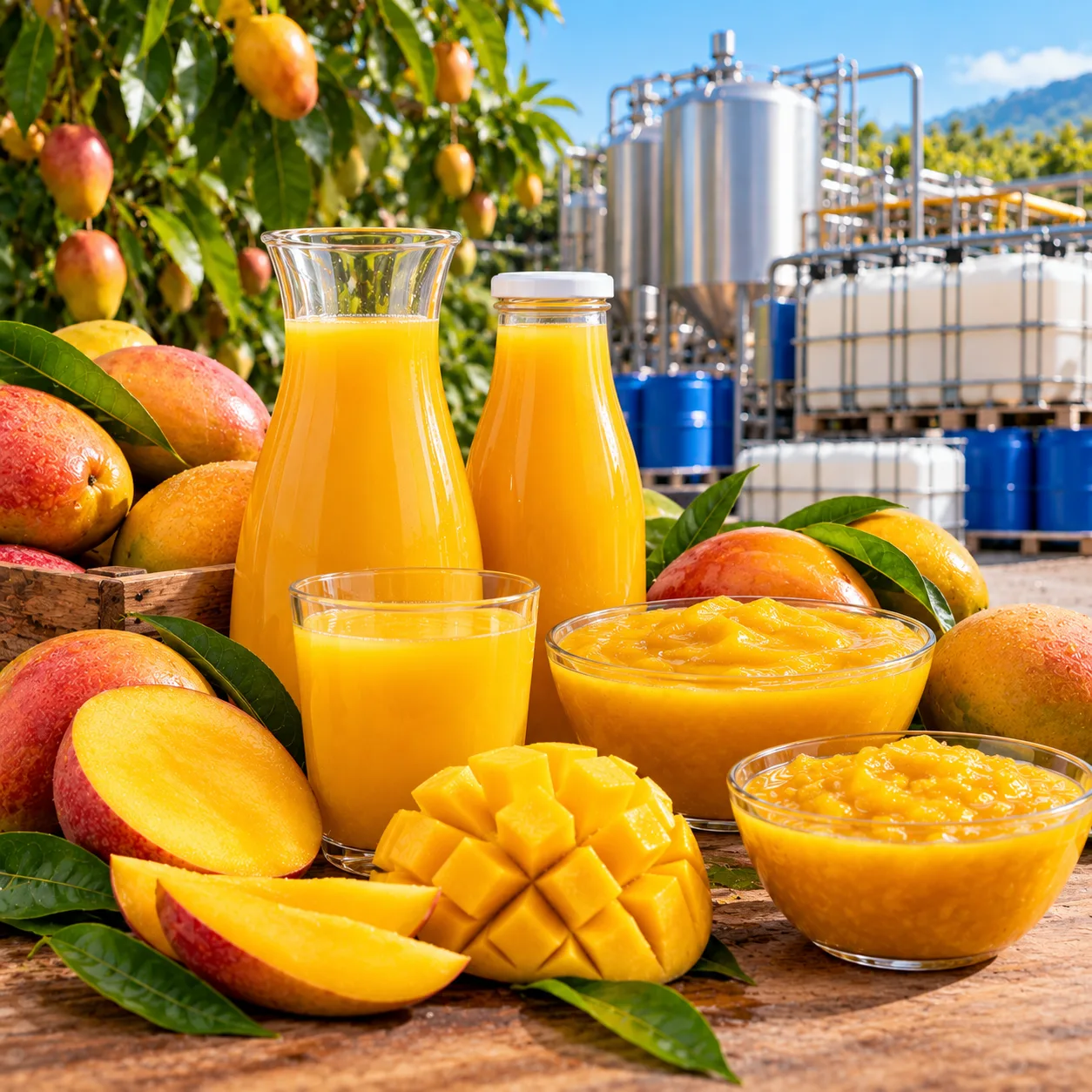
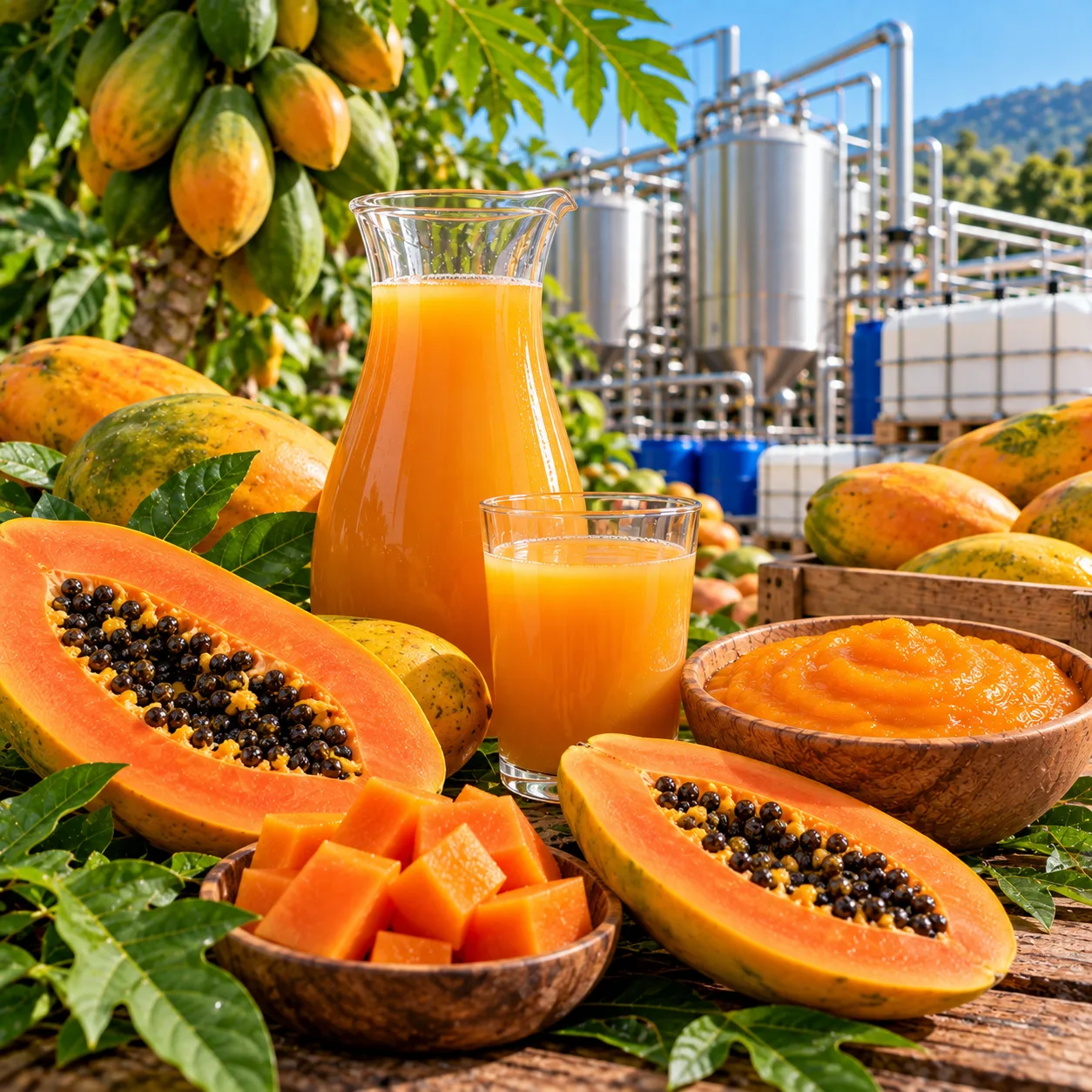
Mango provides ripe tropical aroma, yellow-orange color and substantial body. Guava is more aromatic and slightly sharper, while papaya generally has a softer tropical profile.

Commercial mango puree is often around 13–16° Brix depending on variety and specification, while concentrated mango puree commonly reaches about 28° Brix.

Major uses: smoothies, yogurt, beverages, frozen desserts, sauces, bakery fillings and tropical fruit preparations.

🍓

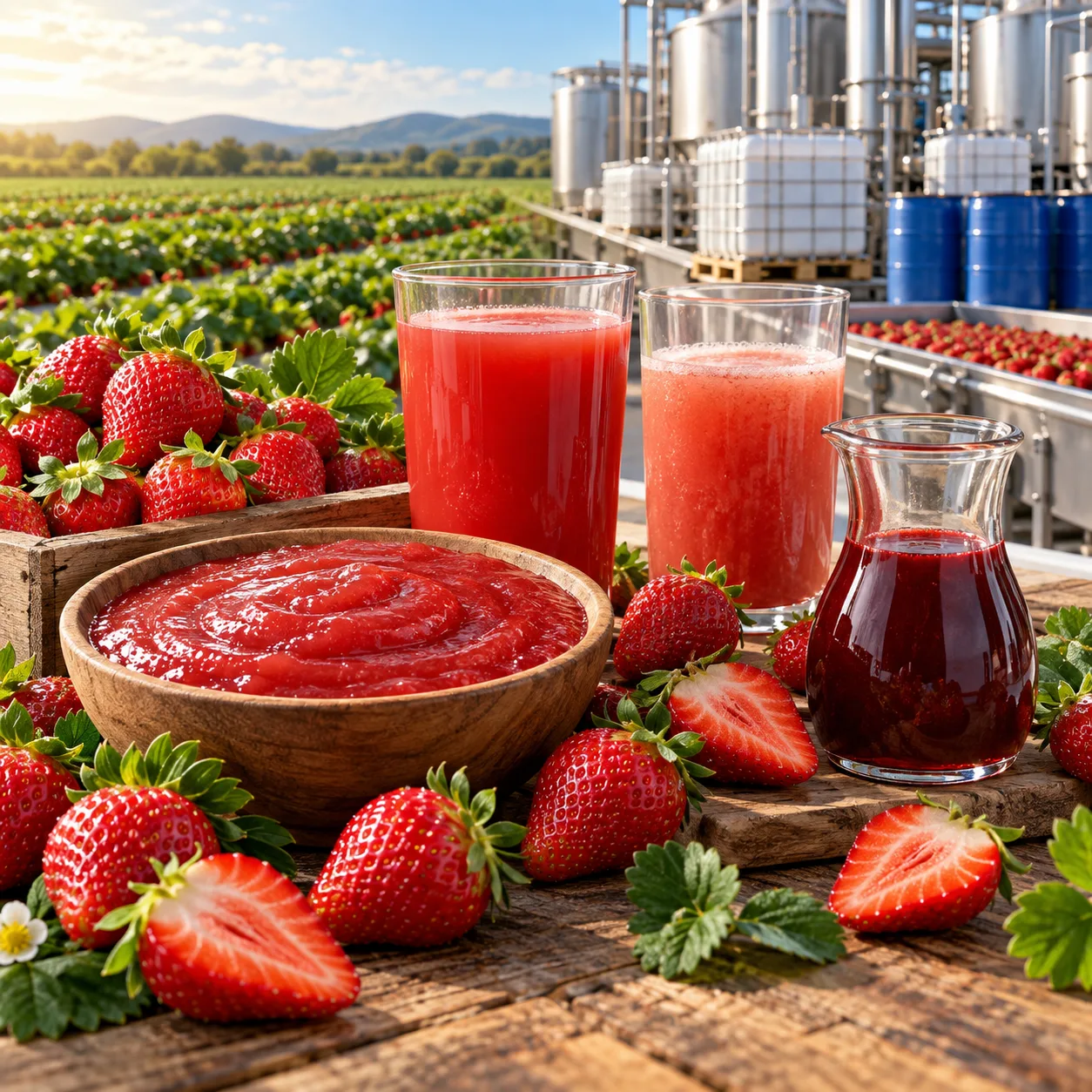
Strawberry, Raspberry & Blackberry

Berry purees provide strong fruit identity, bright to deep red color and fine pulp. Seeded versus seedless processing can significantly affect mouthfeel and equipment performance.

Single-strength strawberry puree is commonly near 8° Brix. Concentrated berry puree products can be supplied at substantially higher soluble solids.

Major uses: yogurt, bakery, jams, smoothies, ice cream, confectionery and dessert sauces.

🍑

Peach & Apricot

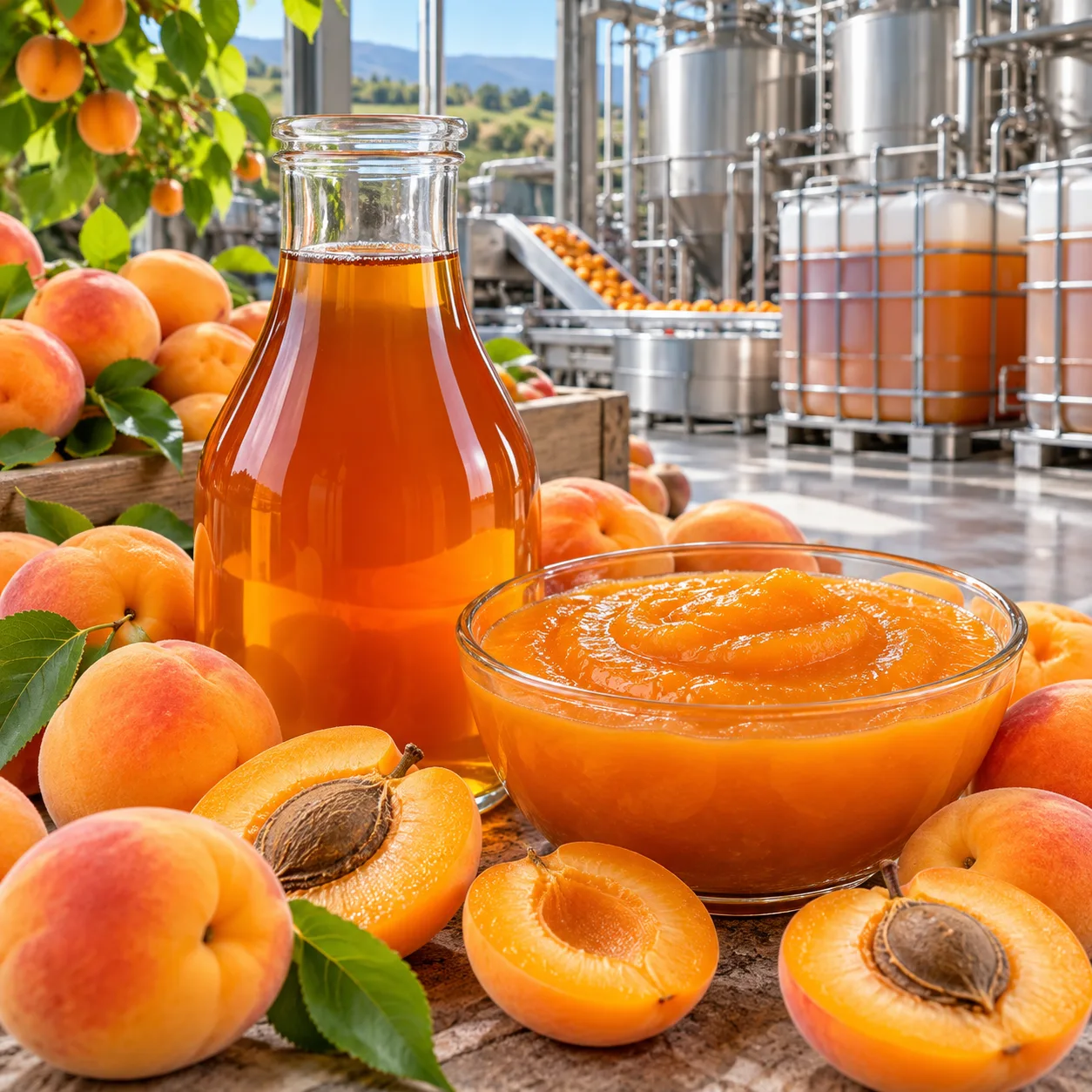
Peach and apricot provide soft stone-fruit aroma, warm yellow-orange color and smooth pulp. Their flavor works well in dairy products and blended fruit preparations.

A representative commercial peach puree single-strength equivalent is around 10.5° Brix, while concentrated peach puree may be supplied around 32° Brix.

Major uses: yogurt, baby food, bakery fillings, jams, beverages, frozen desserts and fruit preparations.

🍎

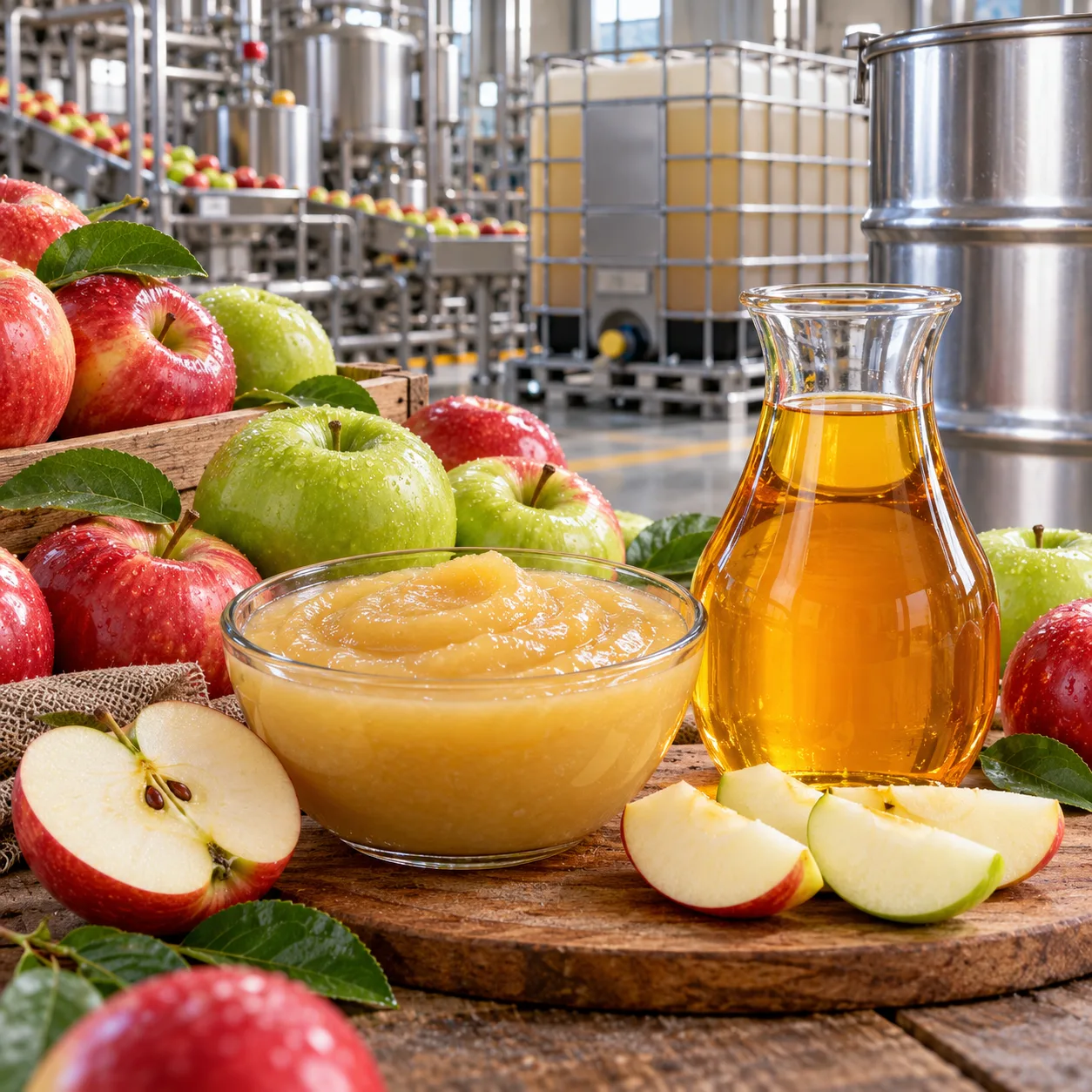
Apple & Pear

Apple and pear have comparatively mild profiles and can provide body without overwhelming stronger berry or tropical ingredients.

A representative apple puree single-strength equivalent is around 11–12° Brix, while concentrated apple puree products are commercially available around 32° Brix.

Major uses: fruit preparations, bakery fillings, baby food, sauces, blended purees and snack products.

🍍

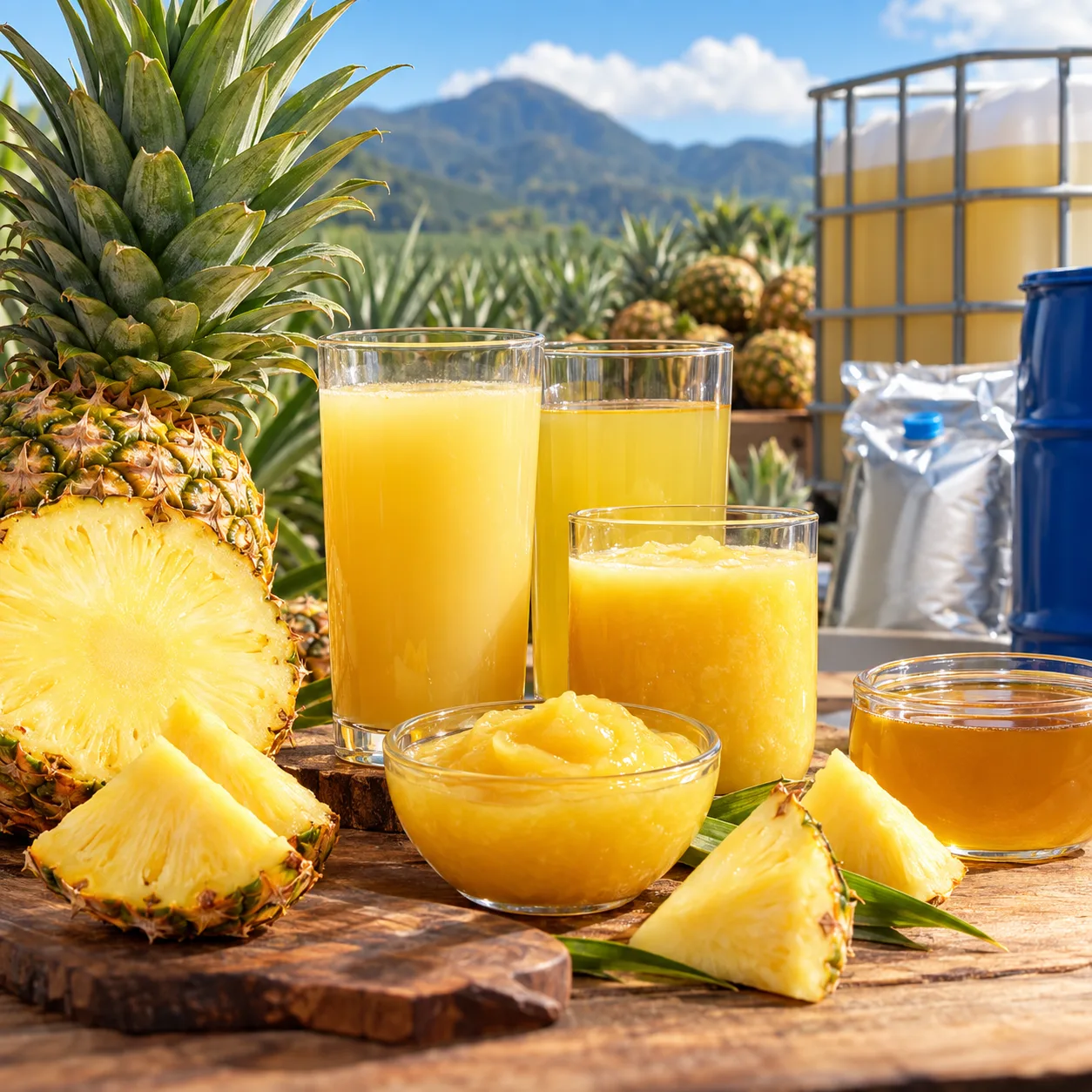
Pineapple & Passion Fruit

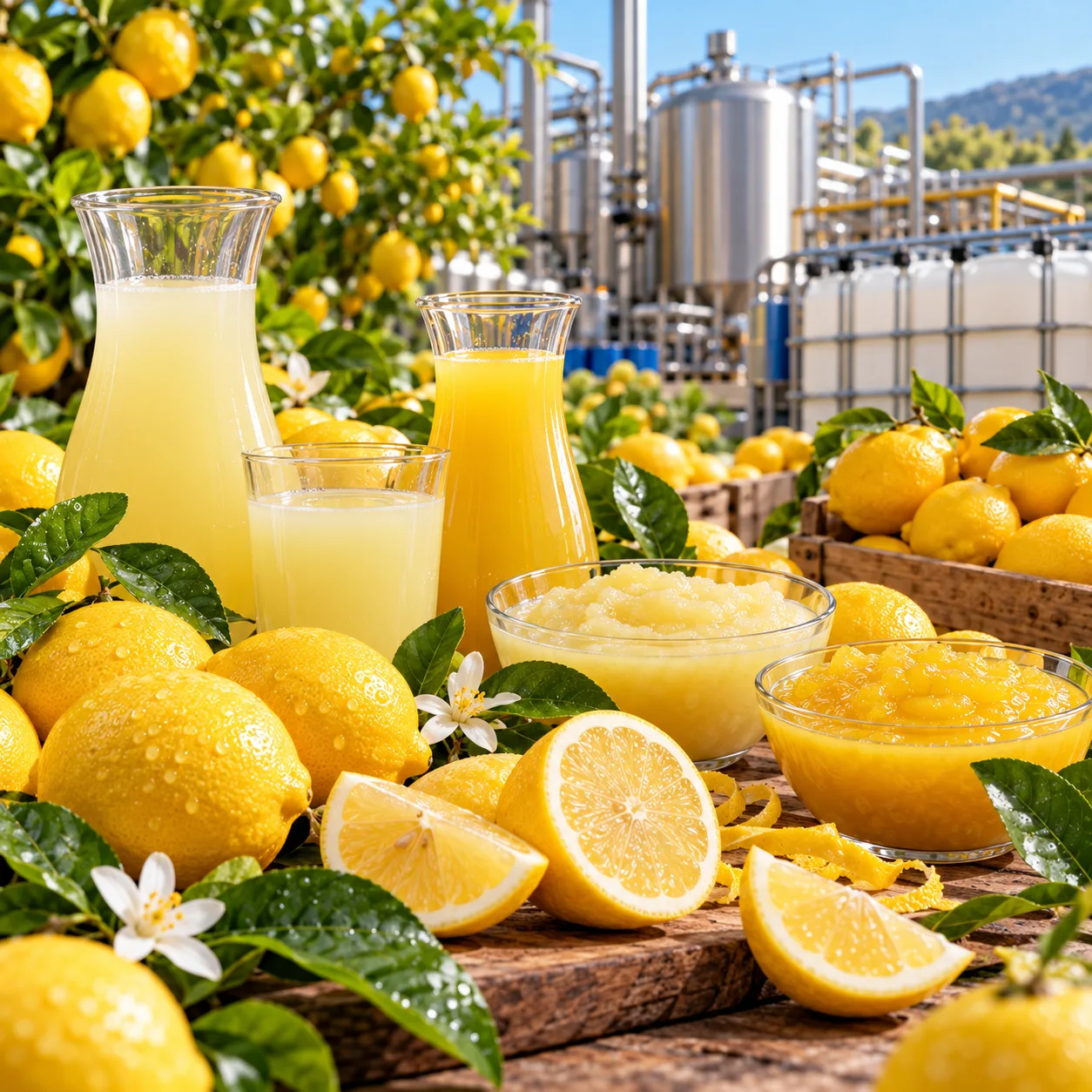
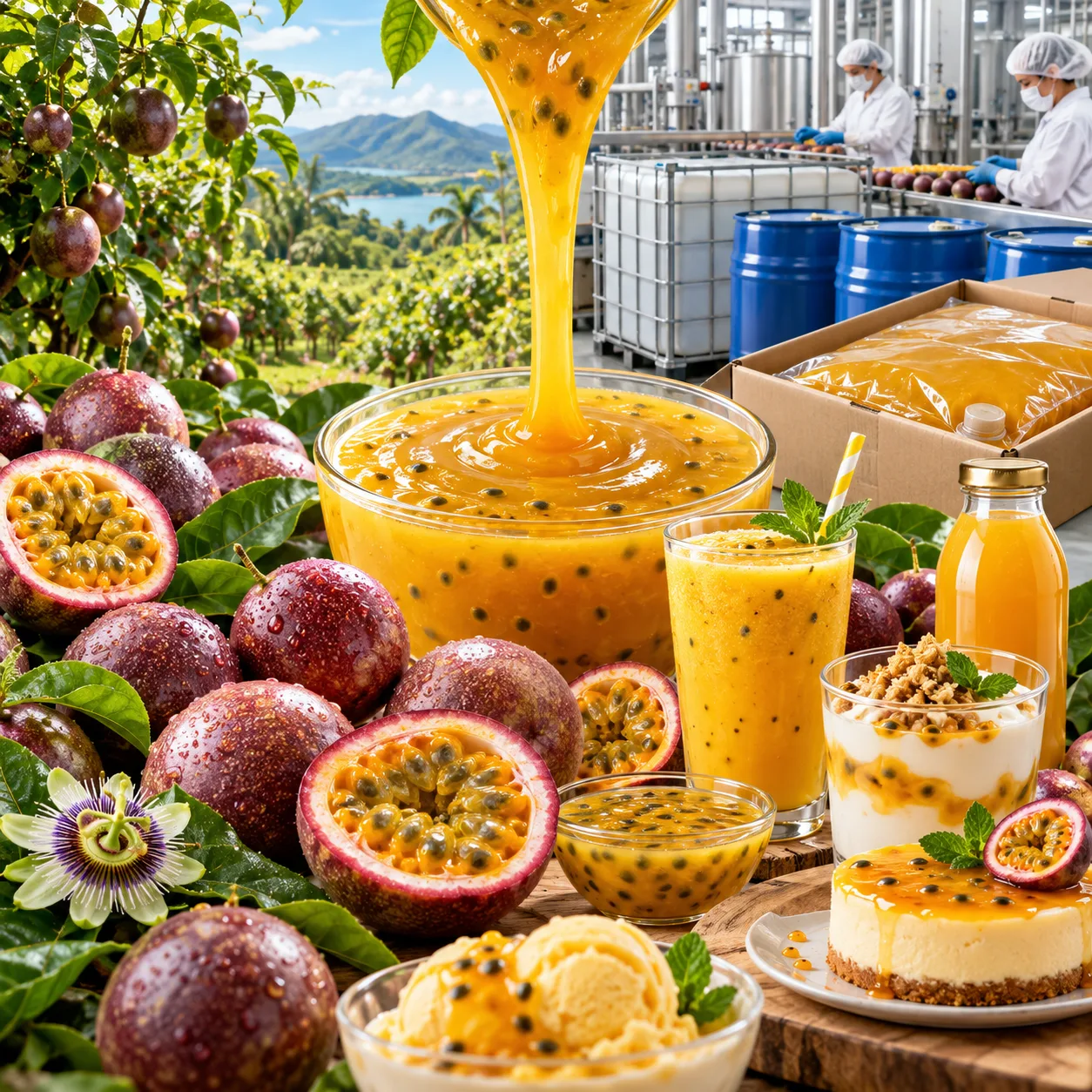
Pineapple combines tropical sweetness with bright acidity, while passion fruit delivers exceptionally intense aroma and much higher natural acidity.

Passion fruit can materially change finished-product acidity even at relatively modest dosage, so pH and titratable acidity should be reviewed together with flavor.

Major uses: beverages, sauces, dressings, dairy, frozen desserts, bakery fillings and tropical blends.

🍒

Cherry, Cranberry & Plum

Cherry and cranberry bring pronounced red-fruit acidity, while plum offers softer dark-fruit character with more rounded pulp texture.

These fruits are useful where a formulation needs visible fruit body together with stronger color and flavor than mild apple or pear.

Major uses: bakery fillings, yogurt, jams, confectionery, sauces, desserts and fruit preparations.
Vegetable purees & pastes

Puree formats extend well beyond fruit.

Pumpkin, Squash & Sweet Potato

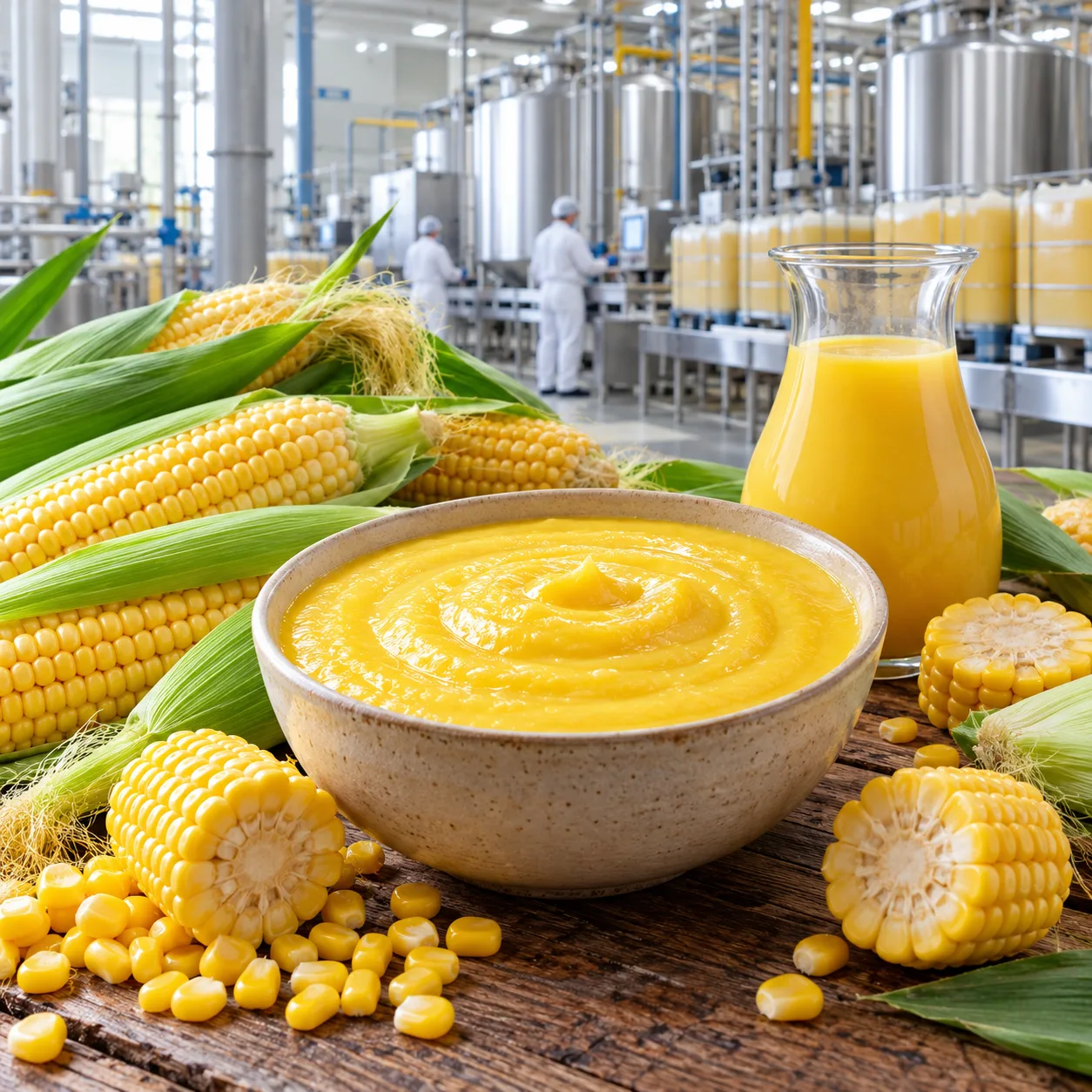
These ingredients provide dense body, mild sweetness and orange color. They are useful in soups, sauces, bakery products, seasonal spreads, baby foods and prepared meals.

Carrot & Beet

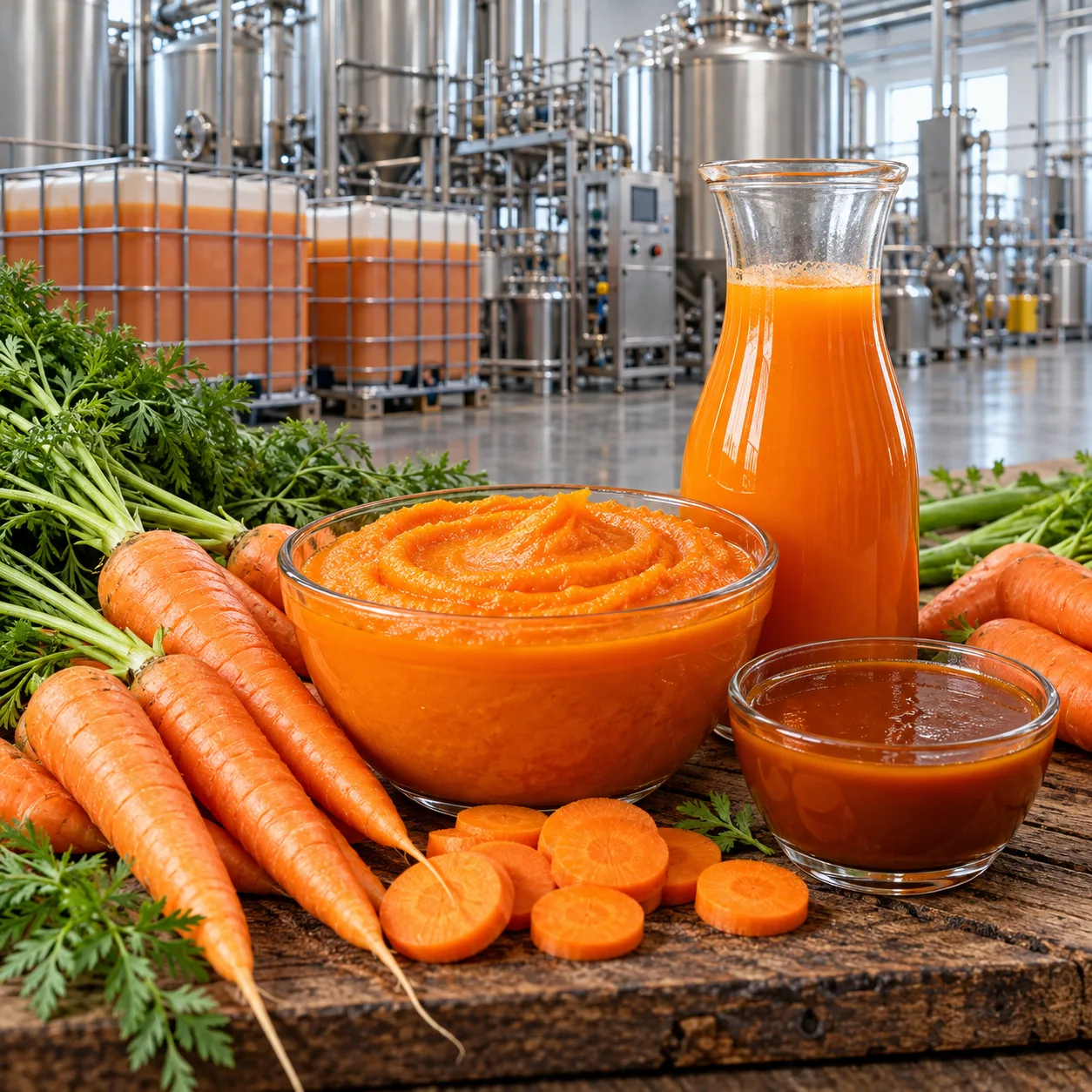
Carrot provides mild sweetness and orange color, while red beet contributes deeper earthy flavor and strong red-purple visual impact.

Broccoli, Spinach, Kale & Cauliflower

Green and cruciferous vegetable purees can be used in soups, prepared meals, sauces, vegetable blends, nutrition products and savory applications.

Tomato Paste

Tomato paste is a higher-solids savory ingredient used extensively in sauces, soups, prepared meals, condiments and foodservice products where concentrated tomato flavor and solids are required.

Garlic Paste

Garlic paste provides concentrated savory aroma while reducing peeling and preparation steps in commercial kitchens and manufacturing plants.

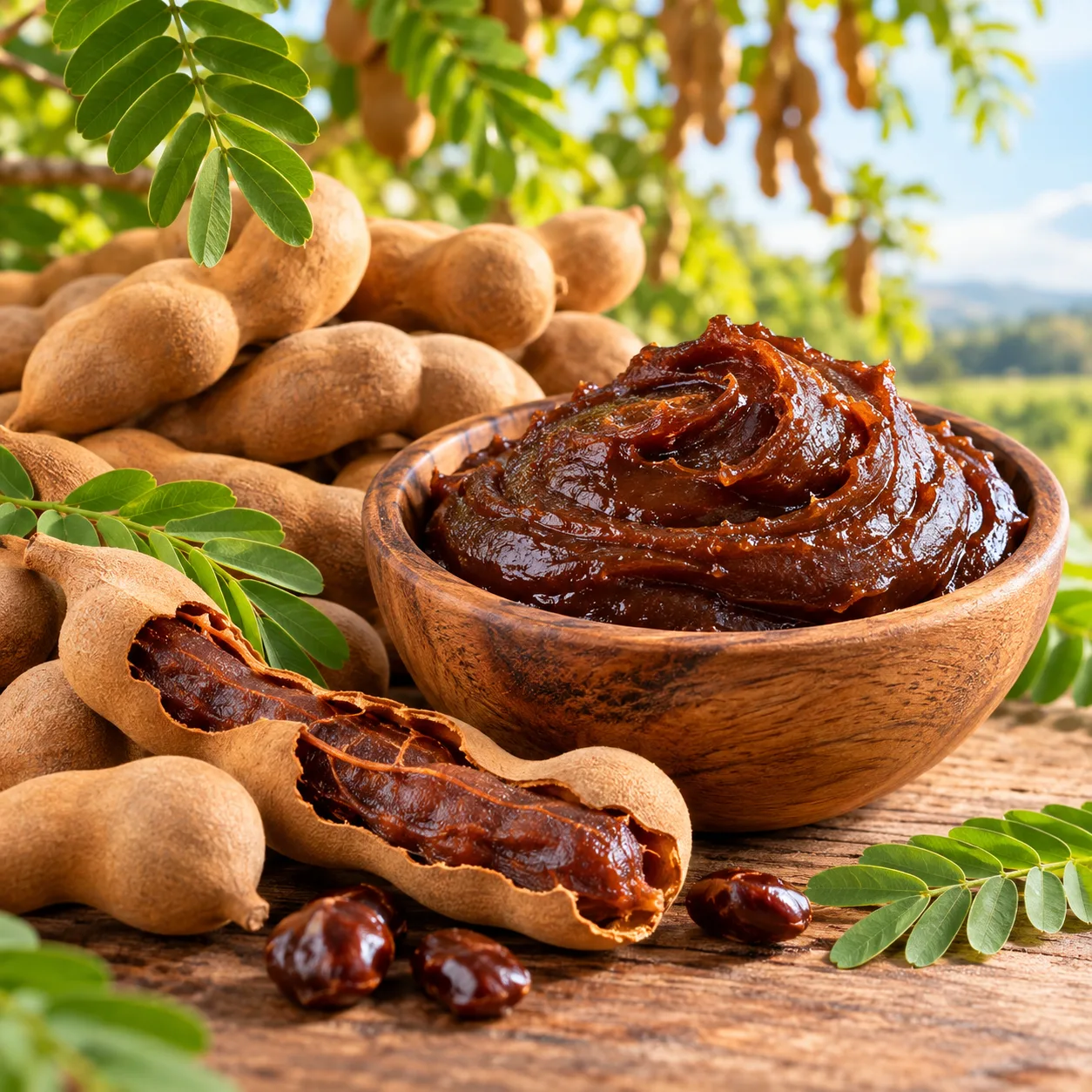
Fig & Tamarind Pastes

Fig paste provides dense fruit solids and sweetness for bakery and snack applications, while tamarind contributes strong sweet-sour character to sauces, chutneys, marinades and prepared foods.

Technical specifications

What buyers should review before approving a puree

Puree specifications describe both chemical composition and physical behavior. This is especially important because two purees at similar Brix can have very different viscosity, pulp and processing characteristics.

  • Brix / soluble solids: indicates fruit solids and is important for yield and batch consistency.
  • pH: relevant to flavor balance, processing and finished-product formulation.
  • Titratable acidity: measures total acid contribution and complements pH.
  • Viscosity or Bostwick consistency: important for pumping, blending, depositing and filling.
  • Screen size: indicates the degree of refinement and amount of coarse material.
  • Seed status: particularly relevant to raspberry, blackberry and strawberry.
  • Color: critical for berry, cherry, mango, pumpkin, carrot and green-vegetable products.
  • Specific gravity: useful for dosing and weight-to-volume calculations.
  • Flavor and aroma: should be typical of the fruit or vegetable and free from undesirable fermented, oxidized or scorched notes.
  • Microbiological limits: should meet the buyer's processing and quality requirements.
  • Ingredient statement: verify whether the product is 100% puree or contains processing aids or other ingredients.
  • Origin and variety: useful where cultivar affects flavor, color, Brix or consistency.
Commercial reference: Representative single-strength equivalents include strawberry around 8° Brix, peach around 10.5° Brix, apple around 11.8° Brix and mango around 13° Brix. Concentrated commercial puree formats may reach approximately 28–32° Brix. Actual values depend on fruit, variety, origin, crop and supplier.
Commercial formats

Aseptic, frozen and concentrated puree options

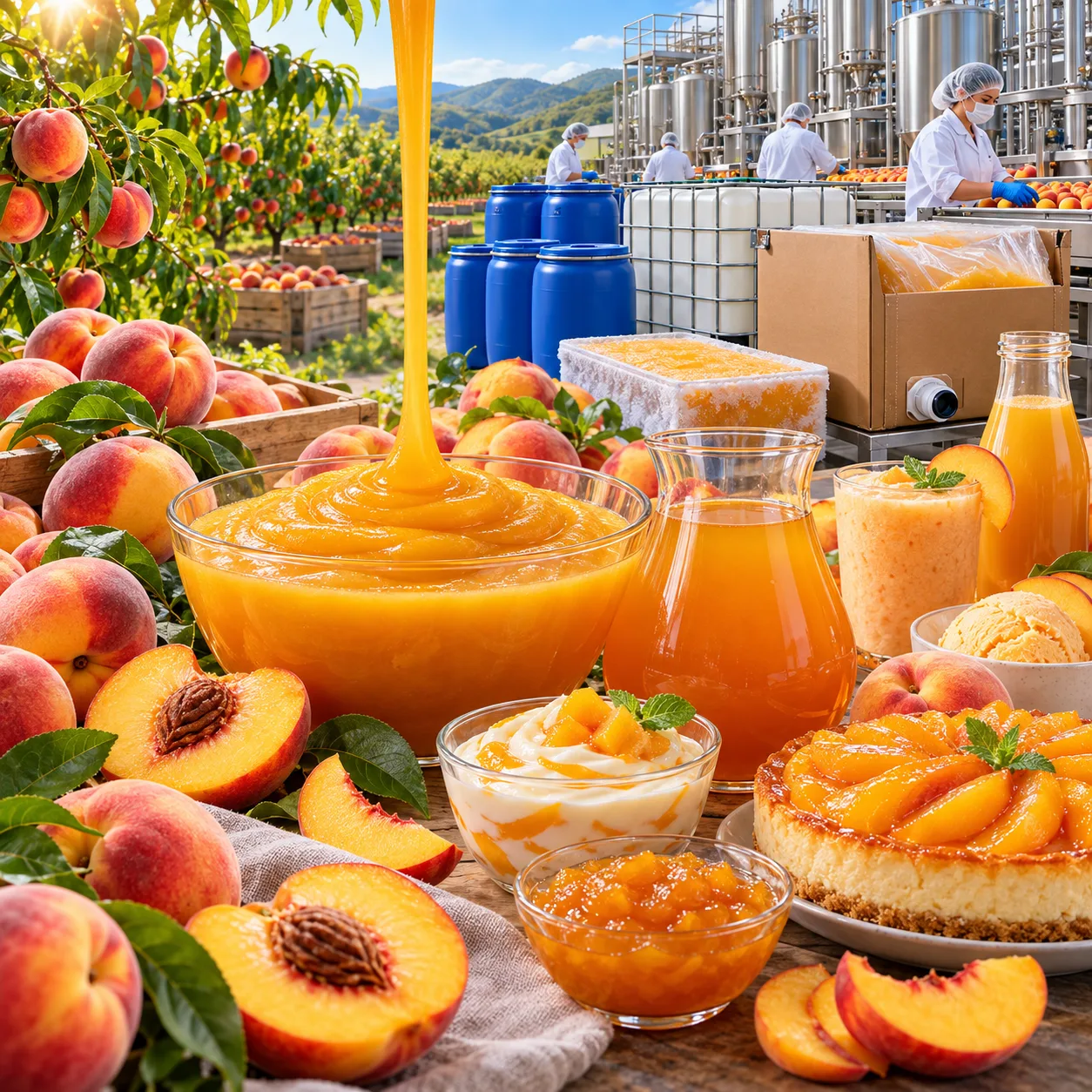
Industrial purees are commonly supplied either as aseptic products or in frozen formats. Aseptic packaging can include bag-in-drum or bag-in-box systems, while frozen products may be packed in pails or lined drums.

The best format depends on the fruit, production volume, warehouse capability and how quickly the ingredient will be consumed after opening.

Concentrated puree contains less water per unit of fruit solids than single-strength puree. This can reduce freight and storage volume and can be useful in bakery fillings, confectionery, sauces or other formulations where excess water is undesirable.

When comparing commercial offers, consider Brix, usable fruit solids, net pack weight, storage temperature, minimum order quantity, freight and production yield rather than price per pound alone.

Industrial applications

Where fruit and vegetable purees are used

Smoothies & Beverages

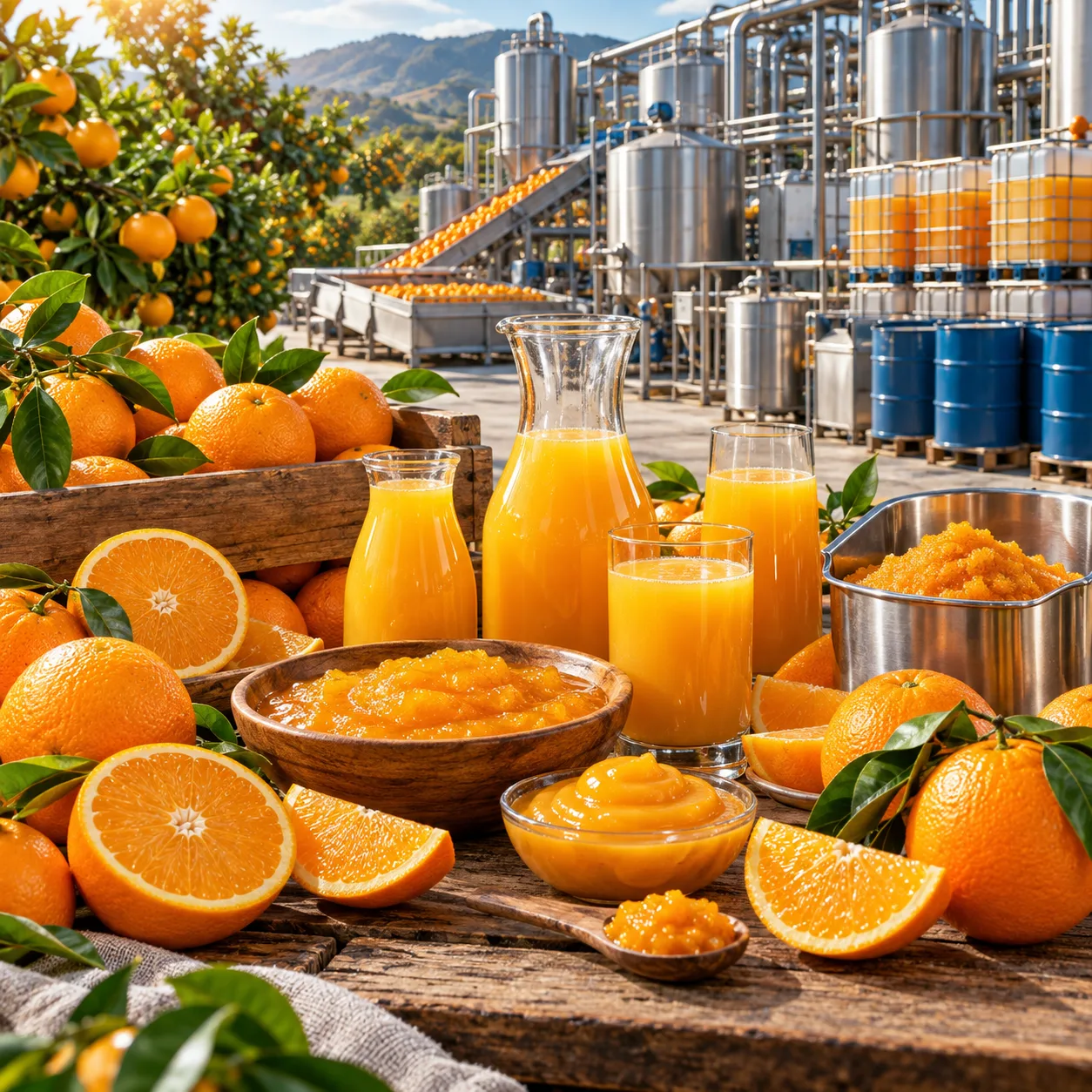
Mango, strawberry, banana, guava, peach and berry purees provide body, cloud and recognizable fruit character in smoothies, nectars and blended beverages.

Dairy & Plant-Based

Yogurt, drinkable yogurt, dairy desserts and plant-based products use puree for fruit flavor, color, texture and fruit-on-the-bottom preparations.
Frozen Desserts

Ice cream, sorbet, frozen yogurt, pops and fruit variegates use purees because pulp and fruit solids contribute both flavor and texture.

Bakery & Fillings

Purees are used in Danish, doughnuts, cakes, pastries, pies, cookies, fillings and fruit swirls where authentic fruit body is desirable.

Jams & Fruit Preparations

Strawberry, raspberry, apple, peach, apricot and other purees provide pulp and fruit identity in jams, spreads and prepared-fruit systems.

Sauces & Dressings

Mango, passion fruit, berry, apple, tomato and vegetable purees are used in vinaigrettes, barbecue sauces, dipping sauces, marinades and glazes.

Confectionery

Fruit purees can be incorporated into gummies, fruit gels, chocolate centers, layered desserts and confectionery fillings where pulp and concentrated fruit flavor are useful.

Baby & Toddler Foods

Apple, pear, peach, mango, pumpkin, carrot and other purees are used in smooth fruit, vegetable and grain-based formulations where the ingredient meets the required quality and regulatory program.

Soups & Prepared Foods

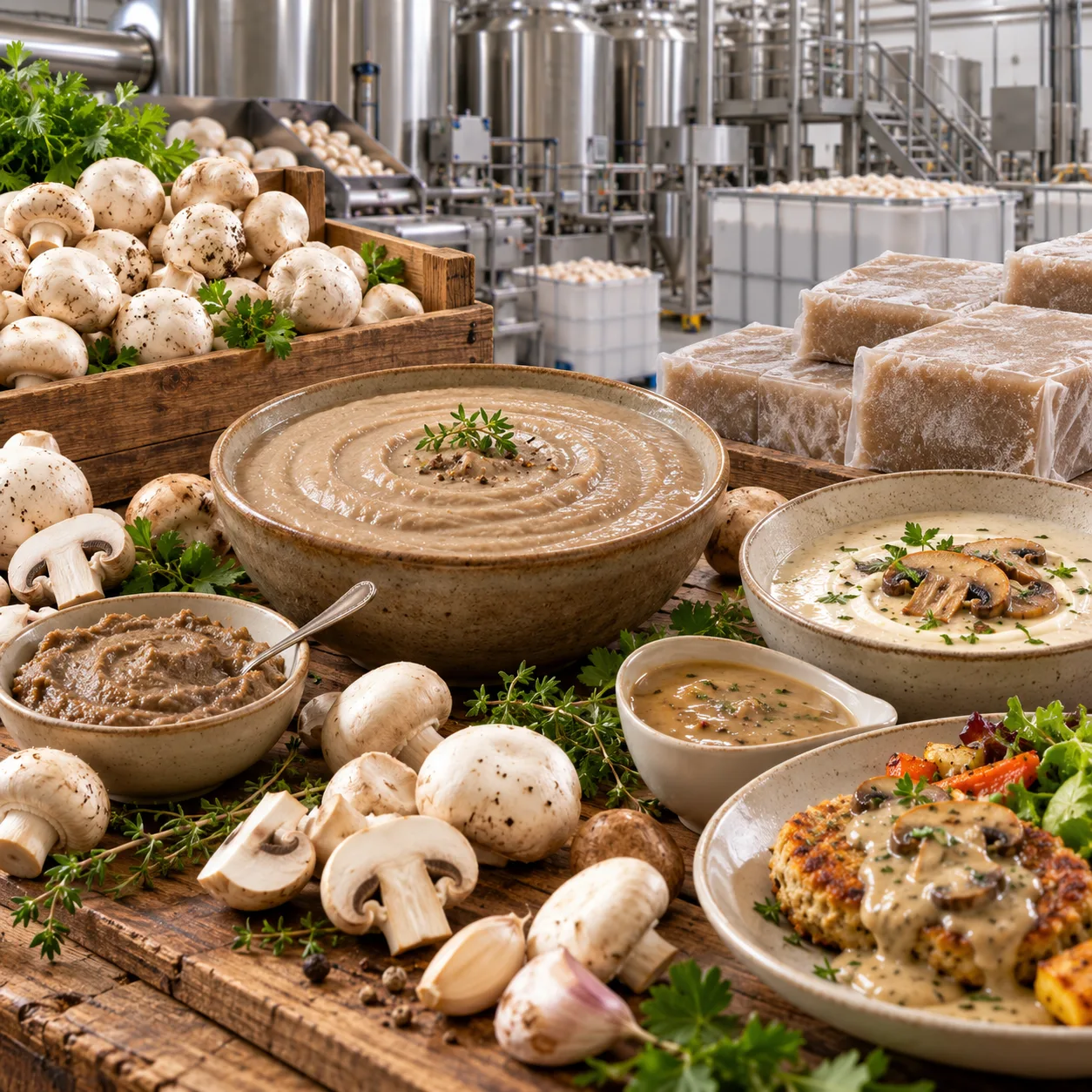
Pumpkin, squash, carrot, tomato, mushroom, cauliflower and other vegetable purees provide body and flavor in soups, prepared meals, sauces and foodservice products.

Need help narrowing the puree list?

Tell us the fruit or vegetable, application, required format, expected order size and destination. Add Brix, viscosity, seed status, packaging or certification requirements if already known.

Request product guidance
Frequently asked

Questions puree buyers often ask

What is a fruit puree?

A fruit puree is fruit material processed to a smooth or semi-smooth consistency while retaining significantly more pulp, fine fibers and suspended fruit solids than clarified juice.

What is the difference between puree and concentrate?

Puree generally contributes more body, viscosity and suspended fruit material. Juice concentrate normally provides a higher concentration of soluble fruit solids with considerably less water and less pulp.

What Brix levels are typical for fruit purees?

The value depends strongly on the fruit. Representative single-strength equivalents include strawberry around 8° Brix, peach around 10.5° Brix, apple around 11.8° Brix and mango around 13° Brix. Concentrated puree formats can commonly reach approximately 28–32° Brix.

Which specifications should I request?

Review Brix, pH, titratable acidity, viscosity or Bostwick consistency, specific gravity, screen size, seed status, color, microbiological limits, ingredient statement, origin, packaging and storage instructions.

Are puree products available aseptic?

Many commercial purees are packed aseptically in drums or bag-in-box systems, while other products are supplied frozen. The correct handling and storage system should be confirmed for the exact product.

When should I use concentrated puree?

Concentrated puree can be useful when the formulation needs more fruit solids with less added water or when freight and storage efficiency are important. It is commonly considered for fillings, sauces, confectionery and other higher-solids systems.

Which industrial applications use purees?

Major uses include smoothies, dairy, frozen desserts, bakery fillings, jams, fruit preparations, sauces, dressings, confectionery, baby foods, soups and prepared foods.

Can I request seedless berry puree?

Seedless or differently screened berry products may be available depending on the fruit and supplier. Include seed status and screen-size requirements where mouthfeel or equipment compatibility is important.

Can I request organic puree?

Organic options may be available for many fruits and vegetables. Request current certification and origin information for the exact commercial product.

Are the technical values on this page guaranteed?

No. They are representative commercial references. Actual Brix, pH, acidity, viscosity, packaging and storage conditions vary by fruit, variety, crop, origin and supplier. Commercial purchases should rely on the current specification and certificate of analysis.